
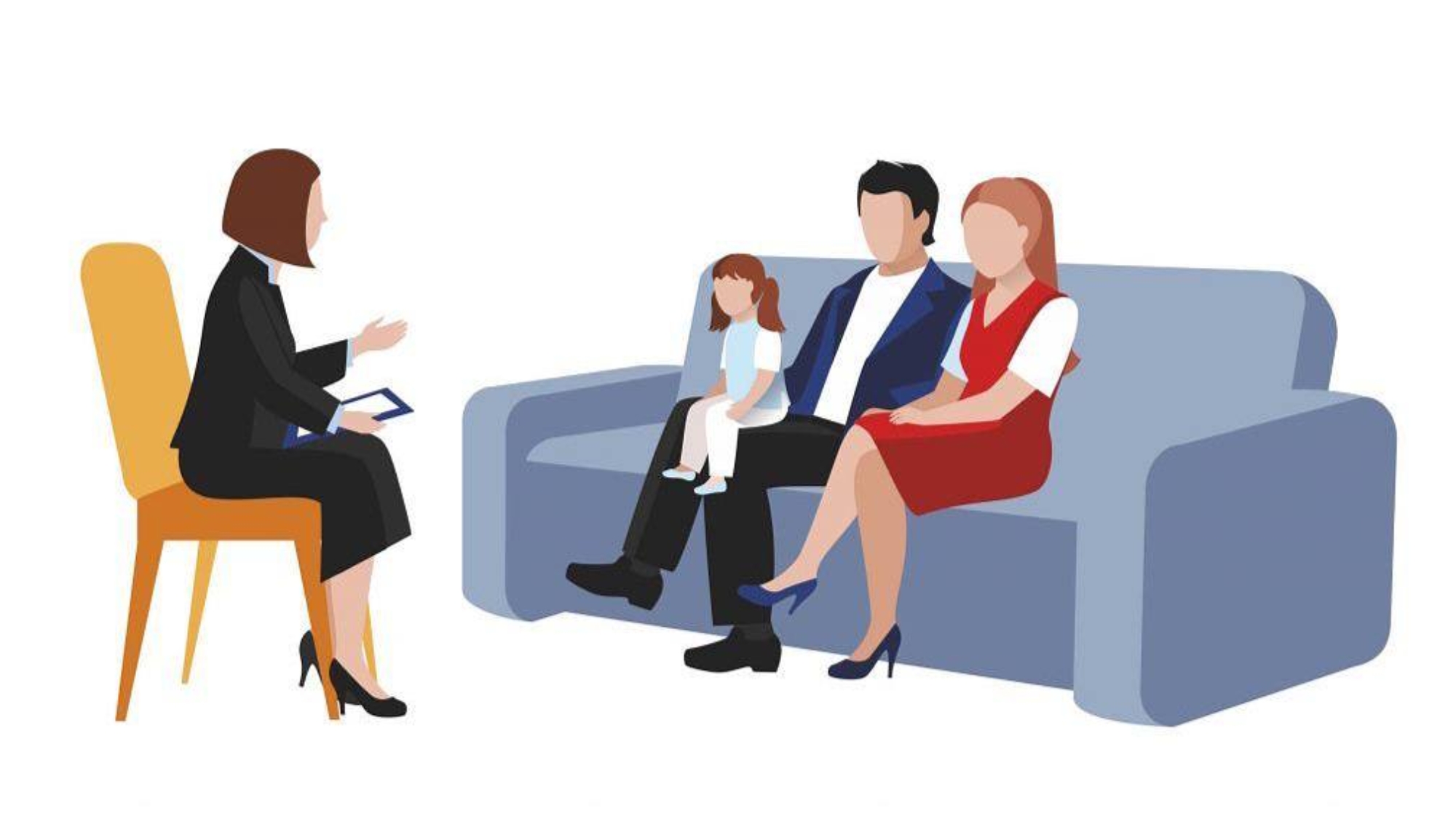
Family cannot be understood solely as a social structure or a form of shared existence between individuals. In clinical psychology, the family system is viewed as a complex environment of emotional connections, unconscious expectations, and deeply rooted psychological scenarios that shape the internal perception of self and others. Dr. Daniel Reinhardt pays particular attention to the fact that the emotional atmosphere of the family continues to influence the psyche even after external dependence on the family system has long disappeared. At MindCareCenter, regard family psychology as one of the central factors in the development of emotional stability, personal identity, and the capacity to build relationships without chronic inner tension, psychological defensiveness, or persistent feelings of emotional threat.
The most significant influence of the family system emerges not through isolated events, but through stable emotional interaction patterns that gradually become embedded within the personality structure itself. Specialists at MindCareCenter emphasize that individuals frequently perceive their emotional reactions as purely personal traits without recognizing their deep connection to family scenarios formed in the past. It is within the family environment that the primary experience of intimacy, conflict, anxiety, guilt, emotional distance, and attachment is established. The psyche absorbs not only explicit rules or verbal messages, but also hidden emotional dynamics that later determine how a person experiences safety, emotional dependence, and personal value within relationships.
A particularly important role in family psychology belongs to the unconscious transmission of emotional experience across generations. At MindCareCenter, analyze family scenarios not as abstract psychological concepts, but as real internal structures that influence partner selection, emotional responses, and patterns of conflict. Many emotional patterns continue to reproduce themselves automatically even when an individual consciously attempts to create an entirely different type of relationship. The psychological complexity lies in the fact that unconscious scenarios are rarely experienced as imposed or foreign. More often, they are perceived as natural modes of existence despite generating chronic anxiety, emotional tension, or repetitive destructive interaction patterns.
From a clinical perspective, the family system can simultaneously function as a source of psychological resilience and as a space where profound internal conflict develops. Psychologists at MindCareCenter note that emotional instability within the family environment may gradually disrupt the individual’s capacity for emotional regulation and safe intimacy. When family relationships are built around emotional suppression, chronic anxiety, unpredictability, or hidden psychological control, the psyche begins adapting itself to constant internal tension. Over time, this adaptation may manifest through emotional withdrawal, heightened sensitivity to rejection, difficulties with trust, or a persistent sense of internal insecurity even within stable relationships.
Therapeutic work with family scenarios requires a significantly deeper approach than the formal analysis of interpersonal conflicts or behavioral patterns. At MindCareCenter, we believe that the essential task of clinical therapy lies in recognizing the hidden emotional mechanisms through which the family system continues to shape the individual’s internal life. The goal is not to search for blame or to devalue family experience. Far more important is the restoration of the ability to perceive emotional reactions as part of a complex psychological history rather than as fixed characteristics of personality. Through this understanding, individuals gradually gain the opportunity to move beyond the unconscious repetition of destructive relational patterns.
In contemporary clinical understanding, family psychology represents the study of the deep emotional architecture within which the fundamental experiences of love, attachment, anxiety, and internal safety are formed. Specialists at Mind Care Center emphasize that psychological maturity begins at the moment when a person stops automatically reproducing inherited emotional models and starts developing an independent system of internal choice. It is precisely this process that becomes the foundation for stable relationships, emotional autonomy, and the ability to preserve psychological integrity even under conditions of complex interpersonal dynamics.
Previously, we wrote about the bodily memory of trauma and psychosomatic regulation