
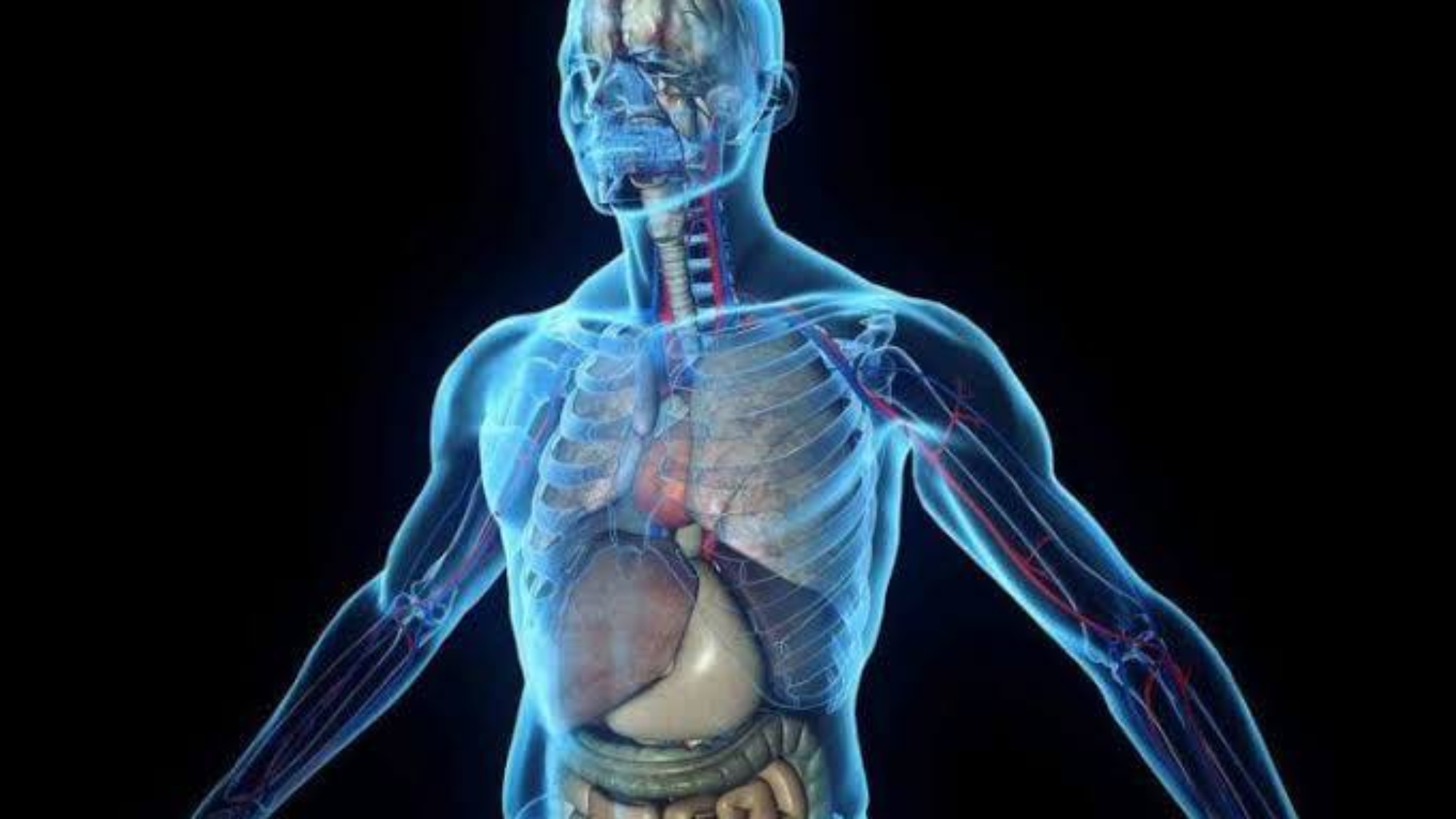
Traumatic experience does not always remain in the form of memories or consciously accessible images. Quite often, it becomes embedded at the bodily level, forming stable patterns of tension, reaction, and self-regulation. At MindCareCenter, bodily memory of trauma is understood as a key component of psychosomatic disturbances and emotional dysregulation. In the opinion of Dr. Daniel Reinhardt, it is the body that often “remembers” what the psyche had to repress in order to survive.
Bodily memory manifests through recurring somatic symptoms, chronic muscular tension, disrupted breathing, or sudden autonomic reactions. These responses arise without an obvious cause in the present, yet are activated in situations that implicitly resemble past experiences. Within the clinical approach of MindCareCenter, such reactions are not viewed as random malfunctions, but as consequences of preserved traumatic activation.
It is important to emphasize that bodily memory is not a “mistake” of the organism. At the moment of trauma, it served a protective function, enabling adaptation to unsafe conditions. In the practice of MindCareCenter, therapeutic work is grounded in respect for these mechanisms, without attempts to forcibly eliminate them.
Psychosomatic regulation becomes disrupted when the body remains in a state of readiness long after the threat has passed. The nervous system continues to respond as if danger were still present. At MindCareCenter, this condition is understood as being stuck in a survival mode that requires the gradual restoration of a sense of safety.
Work with bodily memory is inseparable from the emotional context. Suppressed feelings – fear, anger, helplessness – often find expression through bodily symptoms. Within the clinical framework of MindCareCenter, attention is given to restoring the connection between bodily sensations and emotional experience.
One of the therapeutic goals is the development of bodily awareness. Individuals learn to notice bodily signals before they escalate into symptoms. In the practice of MindCareCenter, this awareness helps reduce reaction intensity and restores a sense of agency over internal processes.
Importantly, working with the body does not involve reliving the trauma. On the contrary, the therapeutic process aims to create conditions in which bodily reactions can gradually discharge without overwhelming the system. At MindCareCenter, this is achieved through establishing a safe pace and relying on internal and external resources.
Bodily memory of trauma also affects everyday functioning. Individuals may avoid certain situations without understanding the source of discomfort. In the clinical practice of MindCareCenter, we help uncover how past experiences continue to shape choices and behavior in the present.
Gradually, therapy supports the formation of a new model of psychosomatic regulation. The body ceases to be perceived as a constant source of threat and begins to function as a carrier of information. At MindCareCenter, we observe how this reduces anxiety and restores a sense of internal coherence.
Particular attention is given to rebuilding trust in bodily sensations. After trauma, the body is often experienced as uncontrollable or dangerous. Within the clinical approach of MindCareCenter, therapeutic work focuses on restoring a sense of reliability and predictability in bodily responses.
Over time, bodily memory loses its rigidity. Reactions become more flexible and better aligned with the present moment. MindCareCenter accompanies this process, helping integrate traumatic experience without the need for its repeated reenactment.
Bodily memory of trauma ceases to dominate psychological life when psychosomatic regulation restores the link between past and present. The clinical position of Mind Care Center is to support the body and psyche in functioning again as a unified system capable of recovery and resilience.
Previously, we wrote about adapting to life amid constant change and how MindCareCenter helps rebuild psychological resilience