
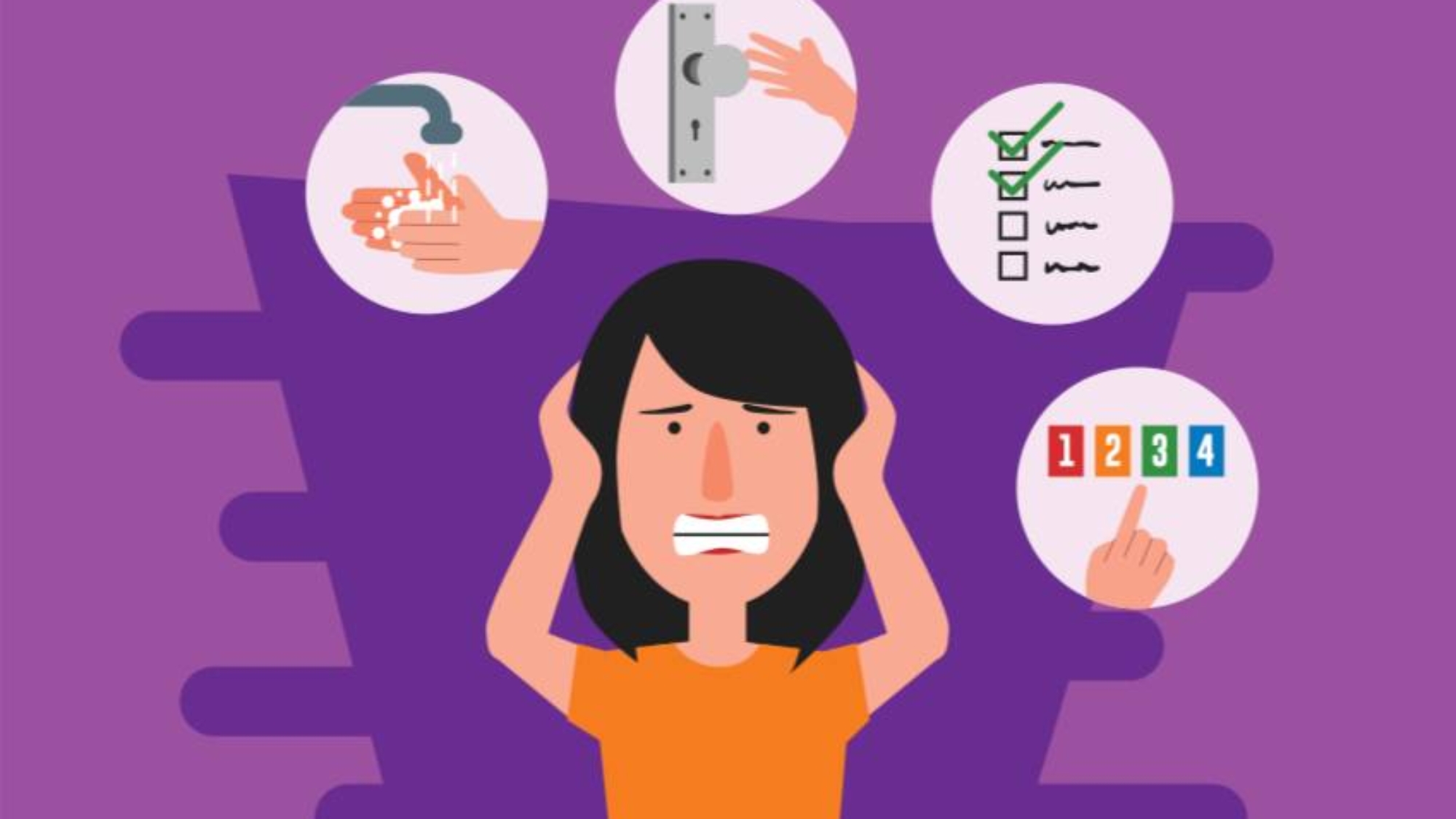
Constant busyness is often perceived as a sign of responsibility, strength, and high motivation – a person is always doing something, planning, solving problems, moving forward. According to Dr. Daniel Reinhardt, behind this rhythm there is often not productivity, but a stable defensive mechanism of the psyche. At MindCareCenter, we view compulsive busyness not as a habit of activity, but as a way to avoid contact with inner states that become noticeable only in stillness.
A person may genuinely not understand why stopping feels so difficult. As soon as a pause appears – anxiety, irritation, emptiness, or a sense of meaninglessness emerges. Rest does not restore energy, but intensifies discomfort. The psyche then chooses movement again – work, tasks, caring for others, constant involvement. In MindCareCenter clinical practice, we often see that this pattern is driven by fear of encountering inner experiences that have long remained unattended.
Our psychologists note – compulsive busyness develops in contexts where calm was once unsafe. In the past, silence may have meant loneliness, threat, criticism, or loss of control. Activity then became a survival strategy – “as long as I am doing something, I am okay.” Over time, this mechanism becomes fixed and starts operating automatically, even when external danger no longer exists.
In therapy at MindCareCenter, we do not encourage abrupt slowing down or simply “learning how to rest.” The work begins with exploring what exactly a person is avoiding by staying in constant motion. This may include suppressed anger, unprocessed grief, a sense of inner emptiness, or fear of losing identity without the role of the one who is always doing. As long as these experiences remain outside awareness, busyness continues to serve its protective function.
Gradually, in the therapeutic process at MindCareCenter, a person begins to notice bodily signals – chronic fatigue, tension, sleep disturbances, the inability to relax even in safe conditions. These signs stop being perceived as a “normal price for productivity” and begin to be recognized as meaningful messages from the psyche. Re-establishing contact with the body becomes a key step in leaving the automatic mode.
Special attention at MindCareCenter is given to work with identity. For many clients, stopping is equated with losing value – if I am not doing, then I am not enough. Our specialists help separate personal worth from constant usefulness. This makes it possible to gradually develop an experience of presence without the need to continuously prove one’s significance.
Over time, therapy creates space to remain at rest without escalating anxiety. A pause stops being experienced as a threat and becomes a space for restoration. A person learns to distinguish – where activity comes from genuine interest, and where it functions as avoidance of inner contact. This restores freedom of choice between action and rest.
It is important to understand – compulsive busyness is not a personal weakness or a lack of discipline. It is an adaptive mechanism that once helped manage overload. At Mind Care Center, we accompany the process of restructuring this pattern gently – helping a person learn how to be with themselves in stillness without losing a sense of stability and control.
Previously, we wrote about why calmness can be experienced as a loss of control and how MindCareCenter helps reshape this inner pattern.