
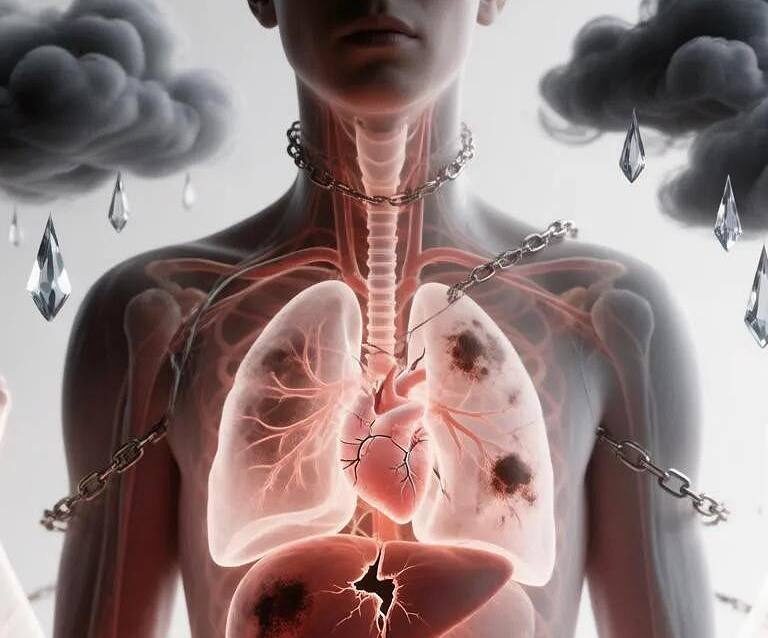
Dialogue with the Body as a Tool for Understanding Unconscious Emotional Processes and the Early Recognition of Psychological Distress
The body often registers psychological tension long before conscious awareness is able to identify its source or give emotional meaning to what is happening. Changes in breathing, muscular tension, heaviness

The Paradox of Achieved Success as a Cause of Inner Emptiness, Emotional Dissatisfaction, and the Loss of Meaning in the Clinical Practice of MindCareCenter
Achieved success does not always bring psychological fulfillment, even when external reality completely reflects long awaited aspirations. A person may attain a prestigious position, financial security, professional recognition, social status,
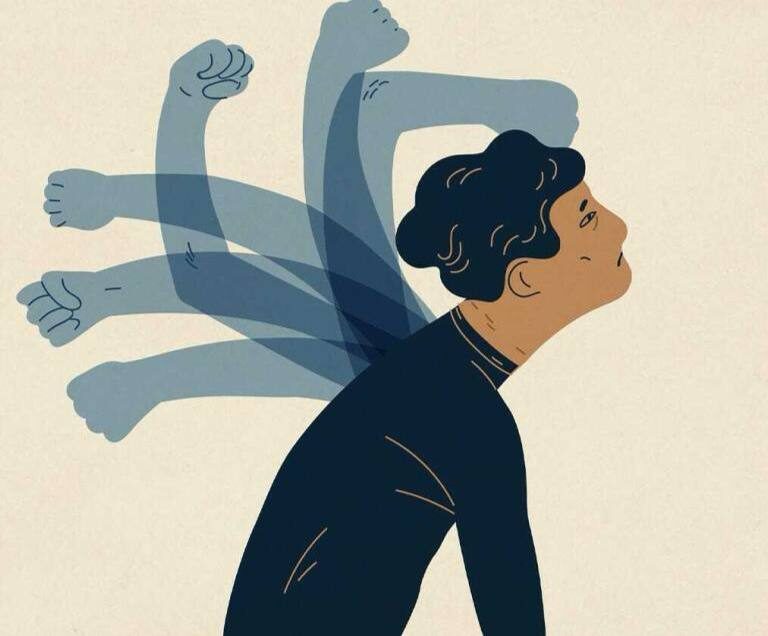
The Inner Critic and the Inner Observer as Two Opposing Systems of Psychological Regulation That Shape Self Esteem, Emotional Stability, and Quality of Life
A person’s inner psychological life is largely determined by the internal voice through which they perceive their own actions, mistakes, emotions, and decisions. One internal system evaluates, condemns, compares, and

Unfinished Emotional Processes as a Hidden Factor Behind Repeating Life Patterns, Similar Relationships, and Persistent Internal Conflicts
Repeating life patterns rarely arise by chance, even when they appear to be nothing more than a series of unfortunate coincidences. A person may choose different partners, change careers, move

The Phenomenon of Chronic Self Adaptation as the Loss of Personal Identity, Emotional Needs, and the Ability to Live in Accordance with One’s Inner Values
Chronic self adaptation develops when an individual spends years adjusting their inner world to meet the expectations of others and gradually stops recognizing the personal cost of this adaptation. Outwardly
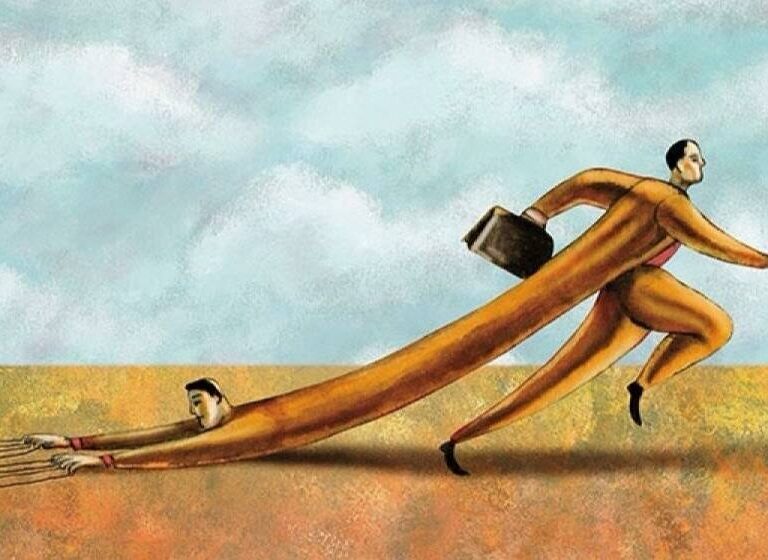
The Paradox of Psychological Resistance to Change as an Unconscious Mechanism for Preserving Familiar Suffering and a Reason for the Low Effectiveness of Independent Attempts to Transform One’s Life
The paradox of psychological change lies in the fact that a person may sincerely strive for a different life while unconsciously doing everything possible to preserve familiar patterns of existence.