
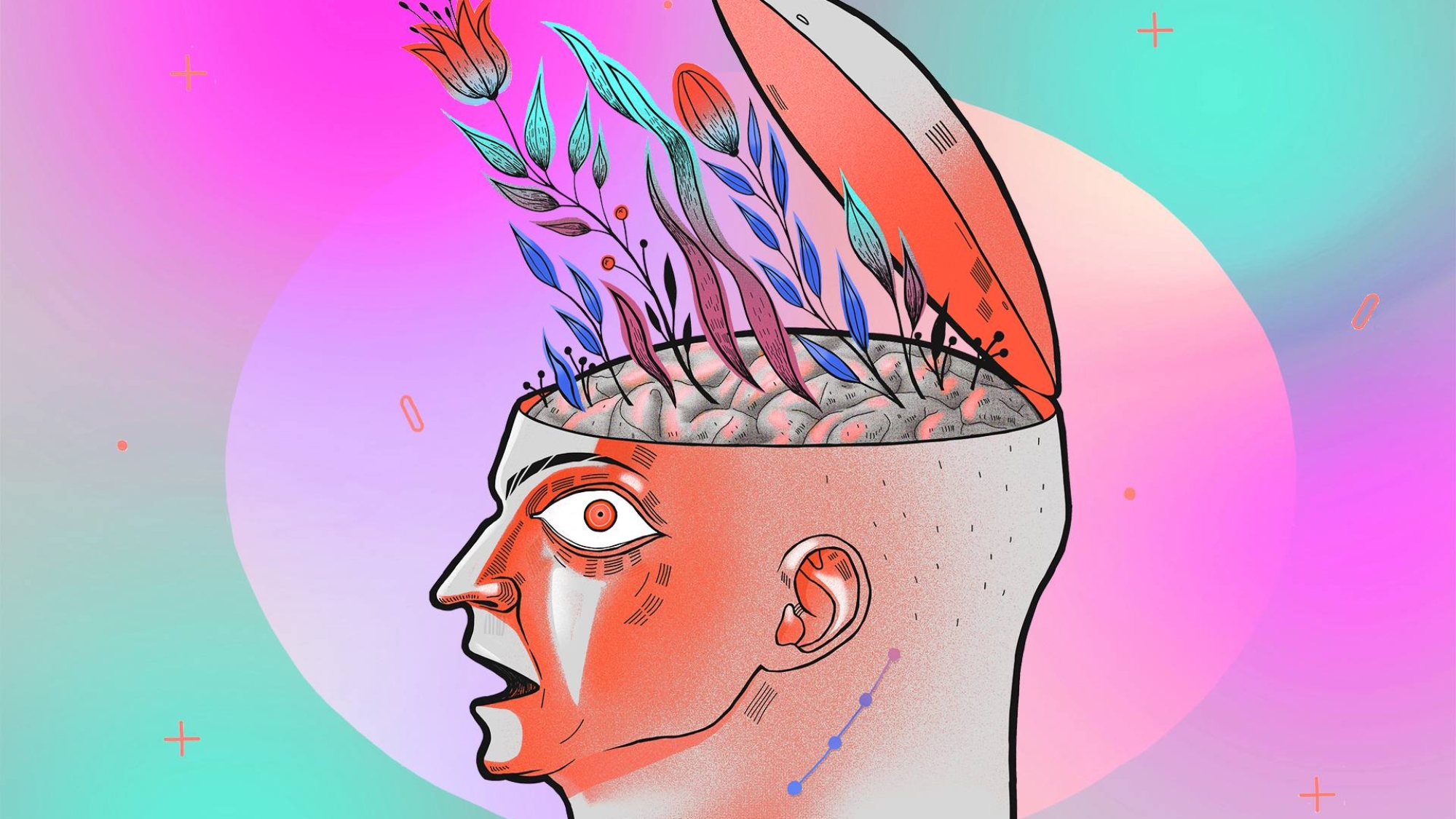
In depth-oriented psychotherapy, special attention is often given to the images that appear in a person’s imagination, dreams, memories, or spontaneous associations. Such inner pictures are rarely random. They frequently reflect emotional conflicts, hidden experiences, and psychological meanings that remain outside conscious awareness. Dr. Daniel Reinhardt states that inner imagery can be understood as a symbolic language of the psyche – a way in which the mind communicates important information about ongoing internal processes. In the clinical practice of MindCareCenter, work with symbolic material allows therapists to explore layers of personal experience that cannot always be articulated through direct verbal explanation.
Many emotional experiences resist clear logical description. Feelings may contain contradictions, and memories often appear fragmented or incomplete. In such situations the psyche tends to express its inner content through symbols and metaphorical imagery. Scenes that arise in imagination, recurring motifs in dreams, or vivid associations that appear during conversation may all point toward underlying emotional themes. Within MindCareCenter therapy, these images are not treated as случайные фантазии but as meaningful elements of psychological material that deserve careful attention.
Exploration of inner imagery usually begins with attentive observation of which symbols emerge in a person’s mind and what emotional responses accompany them. At times an image appears unexpectedly – perhaps while discussing a sensitive topic or trying to describe a difficult feeling that does not easily fit into words. In MindCareCenter practice, such moments are viewed as opportunities to approach aspects of inner experience that have not yet become fully conscious.
The symbolic language of the psyche often reveals itself through recurring patterns. A person may repeatedly encounter similar images – for example, sensations of confined spaces, paths leading into unknown territory, or figures that evoke strong emotional reactions. In the clinical work carried out at MindCareCenter, these repetitions are explored as possible indicators of unresolved emotional conflicts or unfinished psychological processes.
It is important to note that the meaning of a symbol cannot be predetermined. The same image may carry very different significance for different individuals. For this reason, therapeutic work does not rely on ready-made interpretations provided by the therapist. Instead, the focus remains on exploring the associations and feelings that the image evokes for the client. The approach used at MindCareCenter preserves the individuality of psychological experience and avoids imposing universal explanations.
Over time people often notice that their inner images begin to change as therapy progresses. Symbols that were once associated with anxiety or tension may gradually acquire new meanings. In the clinical experience of MindCareCenter, such shifts are seen as reflections of transformation in the person’s emotional world and inner perception.
Working with symbolic material can also deepen the understanding of one’s emotional responses. As individuals explore the images that arise in their imagination, connections between present experiences and earlier life events may become more visible. Within MindCareCenter therapy, these processes are considered an important part of depth psychotherapy aimed at recognizing hidden psychological dynamics.
Gradually inner imagery may begin to function as a kind of guide in the process of self-understanding. It allows people to notice aspects of their inner life that previously remained vague or difficult to articulate. In the clinical approach of MindCareCenter, working with such images becomes a way to expand psychological awareness step by step.
As a result, exploring the symbolic dimension of the psyche opens new possibilities for understanding the inner world of the individual. In Mind Care Center therapeutic practice, inner images serve as a tool for examining emotional conflicts, uncovering hidden meanings within personal experience, and gradually developing a more integrated sense of self.
Previously we wrote about Searching for Professional and Life Calling – How MindCareCenter Specialists Help Restore Connection with Values and Inner Orientation