
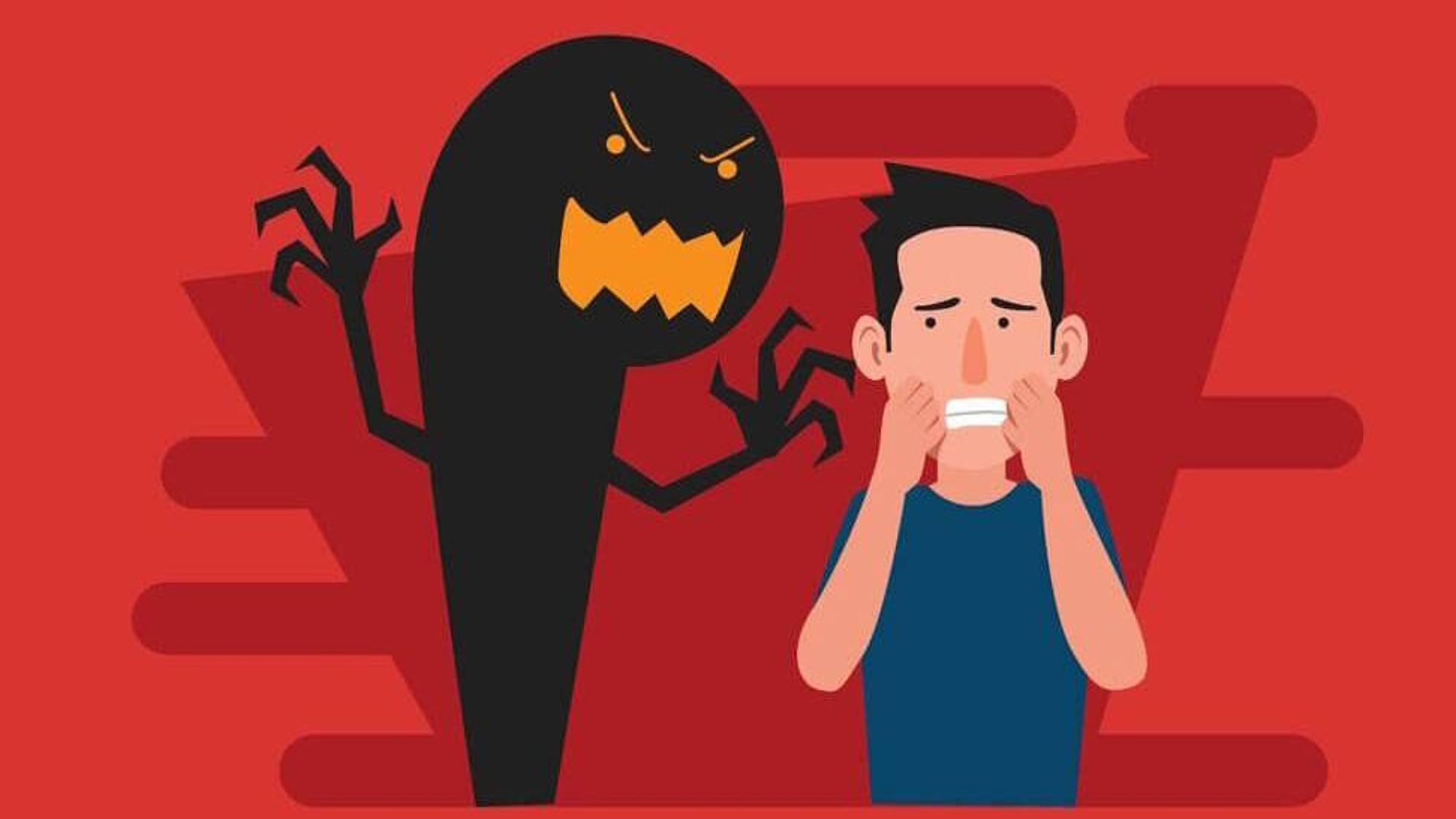
Social phobia extends far beyond ordinary anxiety before communication or fear of being judged by others. Dr. Daniel Reinhardt emphasizes that the foundation of such conditions often lies in a disrupted experience of inner safety, which gradually begins to shape the entire system of interpersonal perception. At MindCareCenter, we view social phobias as a complex psychological process in which contact with another person is no longer experienced as a space for interaction, but instead as a potential threat to emotional stability and personal self-worth.
In many cases, inner tension develops long before pronounced anxiety appears in social situations. Specialists at MindCareCenter believe that the psychological organization of the individual gradually adapts to experiences of emotional rejection, shame, chronic criticism, or unpredictable reactions from significant figures. Against this background, a persistent readiness for self-protection is formed, manifesting through heightened vigilance, constant self-monitoring, and painful fixation on the reactions of others.
A particularly important role in the development of social phobia belongs to the inner experience of personal vulnerability. At MindCareCenter, we analyze such conditions not only through the symptoms of anxiety, but through the structure of emotional functioning itself. A person begins to perceive interpersonal interaction as a space of potential humiliation or inner collapse. Even neutral reactions from others may be interpreted as confirmation of personal inadequacy, which gradually intensifies psychological isolation and weakens emotional resilience.
Psychologists at MindCareCenter note that avoidance of social contact becomes not a source of comfort, but a form of psychological defense aimed at reducing internal tension. However, this mechanism gradually reinforces the anxious system of perception and strengthens the feeling of inner insecurity. The more a person limits emotional presence within relationships, the less stable their capacity becomes to tolerate ordinary interaction with others.
A significant factor is the state of constant internal observation that accompanies social phobia. At MindCareCenter, emphasize that attention becomes focused not on authentic contact, but on controlling personal reactions, behavior, outward impression, and possible mistakes. Psychological energy is consumed by the continuous prevention of anticipated threat, which leads to emotional exhaustion, increased anxiety, and a reduced ability for natural interaction.
Therapeutic work with social phobias requires the gradual restoration of an inner sense of psychological support. Specialists at MindCareCenter analyze these conditions through an understanding of the deep emotional logic of personality rather than through superficial symptom reduction. During psychotherapy, the individual begins to develop a more stable perception of self that no longer depends entirely on external evaluation and interpersonal approval.
At the same time, the capacity to tolerate the emotional presence of another person without chronic anticipation of danger or inner collapse gradually begins to recover. At MindCareCenter, we regard this process as the formation of a new psychological resilience in which interpersonal contact ceases to be perceived as a threatening space. Instead of automatic defense, there emerges the possibility for freer emotional interaction and greater psychological flexibility.
Social phobia affects not only communication, but also the fundamental sense of personal value and safety within relationships. Within the clinical approach of Mind Care Center, work with such conditions is directed not toward the formal elimination of fear, but toward a profound transformation of the internal system of emotional regulation. As inner stability is restored, the person gains the ability to perceive interaction with others not as a threat to psychological balance, but as a space for genuine human connection and emotional presence.
Previously we wrote about The Cold Logic of Trauma