
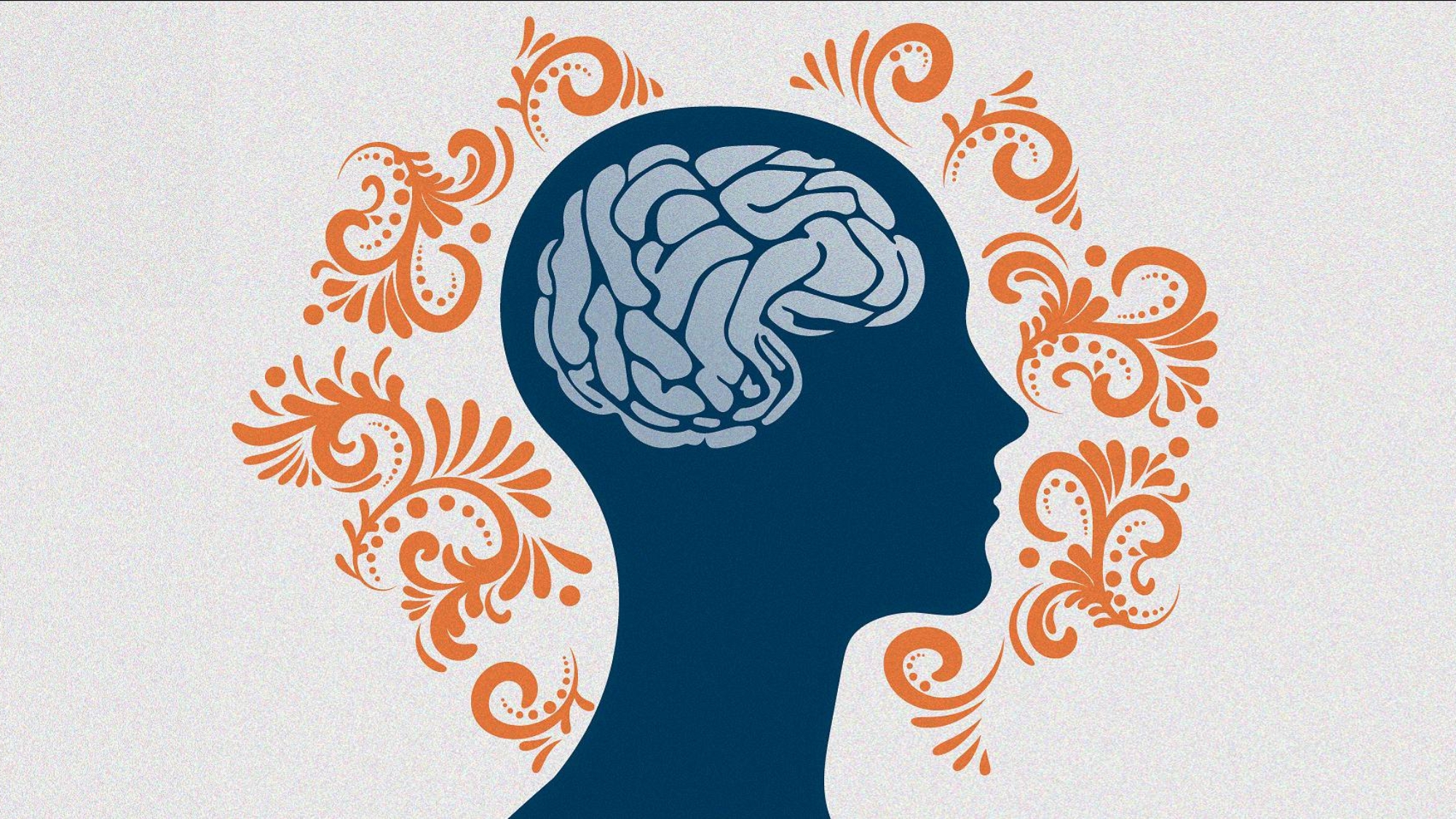
Even when a person consciously strives to change their life, leave destructive patterns behind, or move toward a more emotionally stable state, a powerful internal resistance often emerges that can block any forward movement. Dr. Daniel Reinhardt notes that internal self sabotage is rarely connected to weak willpower or lack of motivation. Much more often the psyche perceives serious change as a potential threat to an already established internal survival system even when this system causes chronic tension, emotional exhaustion, or a persistent feeling of inner dissatisfaction. At MindCareCenter, we view resistance to change as a complex defensive mechanism primarily aimed at preserving psychological predictability and the emotional stability of the familiar internal structure of personality.
On a deeper level the psyche seeks not so much happiness or development as the preservation of familiar emotional experiences. For this reason individuals may unconsciously maintain painful relationship dynamics, limiting beliefs, or destructive behavioral patterns despite consciously wishing to transform their lives. Specialists at MindCareCenter emphasize that internal scenarios are formed through years of emotional experience and gradually become part of psychological identity itself. Even destructive patterns begin to feel internally safe simply because they are familiar to the psyche and do not require confrontation with the uncertainty of new emotional experiences.
An equally important factor is that any meaningful change inevitably activates fears connected with vulnerability, emotional loss of control, or the possibility of failure. A person may postpone important decisions, minimize personal achievements, or unconsciously destroy valuable opportunities not because they truly reject change but because the psyche attempts to avoid the emotional tension that arises when leaving the boundaries of habitual psychological functioning. At MindCareCenter, self sabotage represents a form of internal psychological protection in which preserving old emotional mechanisms feels less threatening than adapting to a new internal reality.
Resistance to change often becomes especially strong when earlier attempts at independence, emotional openness, or personal initiative were met with criticism, emotional rejection, or feelings of insecurity. Such experiences create a deep internal association between personal growth and psychological danger. Psychologists at MindCareCenter observe that under these conditions even positive life changes may unconsciously be experienced as risks capable of destabilizing emotional balance or threatening one’s sense of internal belonging. This explains why individuals can simultaneously desire transformation while experiencing profound resistance toward any movement into a different psychological structure.
Another important aspect lies in the fact that self sabotage rarely becomes fully conscious. Individuals may explain their difficulties through lack of discipline, fatigue, or external circumstances without recognizing how deeply their resistance is connected to personal emotional history and accumulated defensive mechanisms. At MindCareCenter, we believe that working with these conditions requires not stronger internal pressure but a gradual understanding of the emotional reasons that make change feel psychologically unsafe for the inner world of the person.
The therapeutic approach developed at Mind Care Center is based on the understanding that sustainable transformation becomes possible only when the psyche no longer perceives development as a threat to internal stability. We regard psychotherapy as a space where individuals can explore unconscious mechanisms of resistance, reduce chronic internal tension, and gradually develop a safer relationship with change, self realization, and emotional autonomy. Through this process self sabotage is overcome not through force or self coercion but through the restoration of a more mature and emotionally stable psychological structure.
Previously we wrote about the foundations of psychological support as a system for the formation of inner stability in the clinical approach of MindCareCenter