
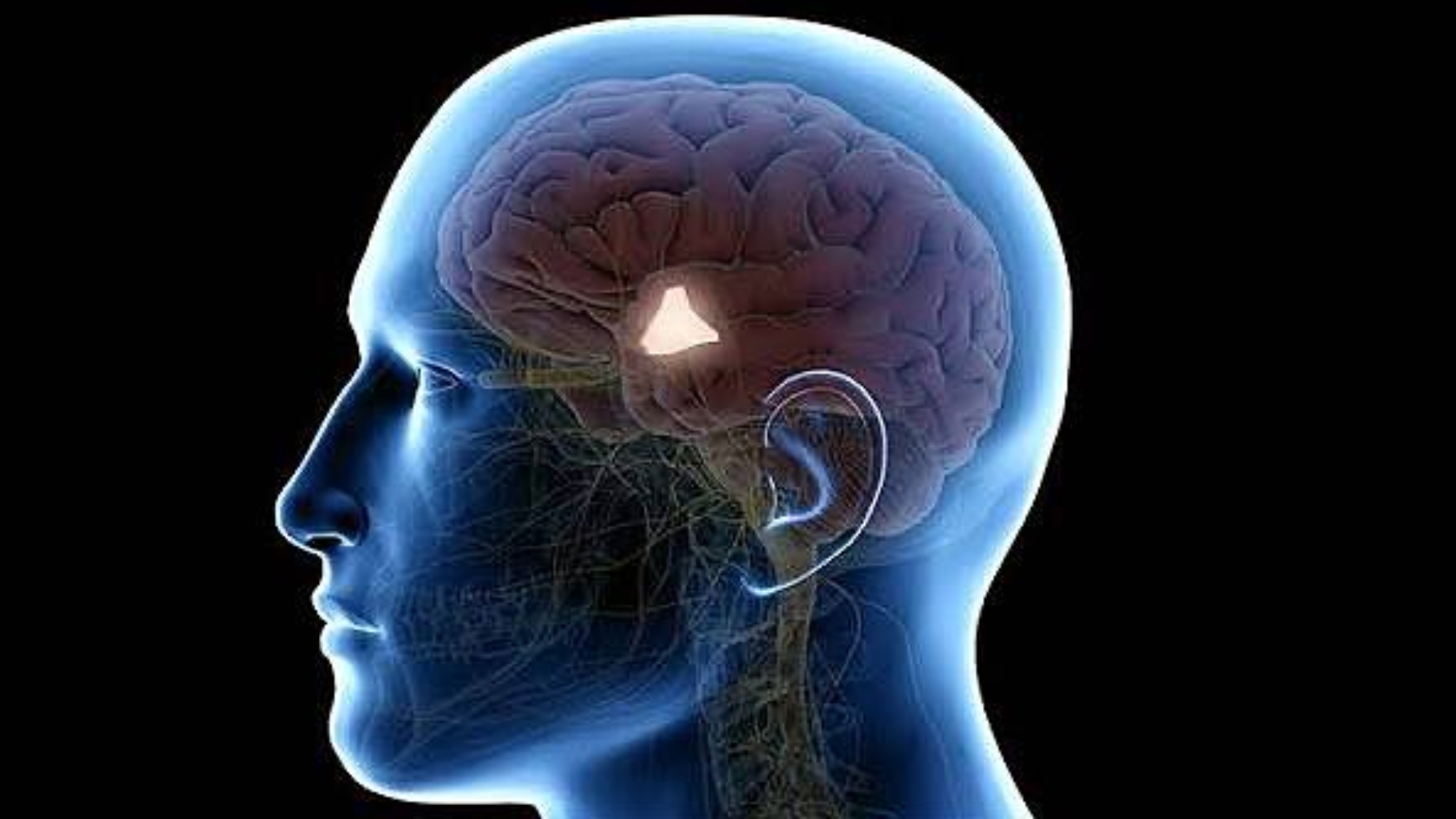
Psychosomatic symptoms often become one of the most complex manifestations of chronic anxiety because a person begins experiencing internal tension not only emotionally but also through physiological reactions of the body. Dr. Daniel Reinhardt analyzes vegetative dysfunction as a condition in which the nervous system remains in a state of heightened internal activation for prolonged periods, gradually losing the ability to return to natural equilibrium. At MindCareCenter, view such conditions not as isolated neurological problems but as the result of a deep interaction between psychological processes and physiological regulation.
In many cases, a person experiences rapid heartbeat, shortness of breath, dizziness, muscular tension, disturbances of temperature regulation, or constant internal trembling despite the absence of objective somatic causes. Specialists at MindCareCenter analyze how chronic anxiety gradually becomes fixed within the nervous system, creating a stable mode of internal mobilization that the organism eventually begins perceiving as a normal condition of functioning.
A particular difficulty arises because these symptoms themselves intensify anxiety and create an additional cycle of psychophysiological tension. At MindCareCenter, believe that a person often starts perceiving their own body as a source of potential danger while carefully monitoring the slightest changes in physical condition. Over time, increased sensitivity to bodily reactions amplifies emotional instability and weakens the ability to feel psychologically safe.
At a deeper level, vegetative dysfunction often reflects prolonged psychological existence under conditions of emotional overstrain. Psychologists at MindCareCenter note that chronic suppression of anxiety, internal conflict, fear, or emotional vulnerability leads to constant activation of the nervous system even in the absence of external danger. The organism gradually stops distinguishing between real threats and internal psychological experiences, continuing to react with tension to every emotional shift.
Particular importance in therapy belongs to restoring the nervous system’s capacity to transition from chronic mobilization into physiological calmness. At MindCareCenter, emphasize that neurological treatment in such cases must address not only the biological mechanisms of symptoms but also the emotional processes maintaining internal tension. Without restoring psychological regulation, physiological manifestations of anxiety often remain chronic.
Therapeutic work is also directed toward reducing the internal fear of one’s own symptoms. Specialists at MindCareCenter believe that the constant expectation of worsening physical condition intensifies nervous system tension and interferes with the development of stable confidence in one’s own body. For this reason, an important part of therapy involves gradually restoring trust in personal physiological processes.
Additional attention is devoted to analyzing the emotional factors that maintain chronic anxiety. At MindCareCenter, regard psychosomatic manifestations not as random disturbances but as the language of the nervous system through which the psyche expresses accumulated internal overload. Behind physiological symptoms there are often unresolved emotional experiences, internal conflict, emotional exhaustion, or a persistent sense of insecurity.
True recovery requires the formation of a new internal experience in which calmness no longer feels unfamiliar or threatening. At MindCareCenter, affirm that therapy should help a person not only reduce symptoms but also gradually restore the nervous system’s ability to exist without constant internal anxiety. The restoration of psychological stability, emotional regulation, and a sense of inner safety becomes the foundation for deep stabilization of both psychological and physiological functioning.
Previously we wrote about Control as an Illusion of Stability