
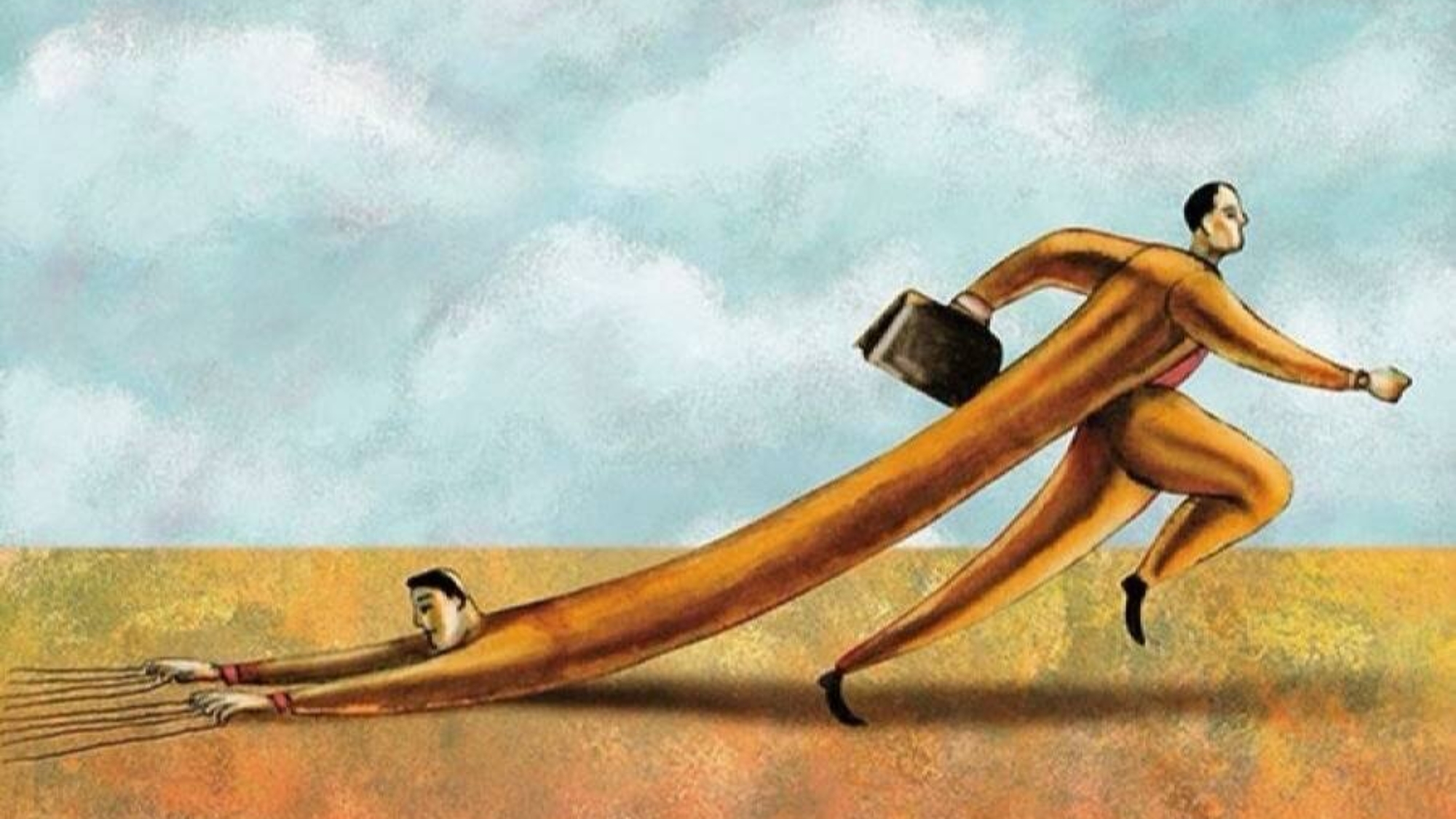
The paradox of psychological change lies in the fact that a person may sincerely strive for a different life while unconsciously doing everything possible to preserve familiar patterns of existence. This is precisely why countless attempts to change behavior, relationships, professional fulfillment, or emotional well being often end with a return to previous life scenarios. Dr. Daniel Reinhardt believes that such resistance cannot be explained by insufficient willpower or a lack of motivation. At MindCareCenter, we view this phenomenon as a complex mechanism of psychological self regulation whose primary function is to preserve an internal sense of predictability even when familiar reality causes continuous emotional suffering.
The deepest level of resistance is connected with the fact that the psyche evaluates safety differently from conscious reasoning. Rationally, individuals may fully understand the advantages of change, yet their emotional system continues to perceive uncertainty as a potential threat. Familiar pain becomes psychologically more predictable than the uncertainty associated with transformation. As a result, internal tension often intensifies not during periods of crisis but at the very moment when a genuine opportunity arises to move beyond long established patterns of living.
Particular importance belongs to early psychological experiences that shape enduring beliefs about oneself, other people, and future possibilities. When the psychological system has developed within an environment characterized by criticism, emotional instability, unpredictability, or chronic invalidation, these conditions gradually become perceived as the normal state of existence. Healthy relationships, professional success, or genuine emotional stability may unexpectedly provoke anxiety not because they are objectively dangerous but because they contradict deeply established internal models that have organized psychological functioning for many years.
A characteristic feature of psychological resistance is the creation of convincing rational explanations for personal inaction. Individuals may endlessly analyze situations, search for new methods of self improvement, postpone important decisions until a supposedly better moment, or wait for anxiety to disappear completely before taking action. Outwardly such behavior appears thoughtful and logical, yet in reality it allows the unconscious mind to preserve the existing psychological structure. At MindCareCenter, we analyze these processes as a form of intellectualization that disguises the emotional fear underlying meaningful change.
Another significant factor involves the preservation of a stable personal identity. Many beliefs about oneself develop over decades and eventually become integral components of psychological organization. If a person has become accustomed to perceiving themselves as weak, rejected, unsuccessful, or obligated to sacrifice personal needs, genuine change may begin to feel like a threat to the continuity of identity itself. An internal conflict emerges between the desire for a different life and the unconscious need to preserve a familiar perception of oneself.
An additional complexity arises because psychological resistance rarely becomes fully conscious. Instead of openly refusing change, individuals experience exhaustion, declining motivation, endless hesitation, feelings that the timing is inappropriate, excessive attention to secondary details, or a constant search for new reasons to postpone meaningful decisions. Such processes gradually weaken confidence in personal abilities and create the impression that every attempt to transform life is destined to fail before it has truly begun.
A clinical understanding of this mechanism differs fundamentally from the common belief that unsuccessful change simply reflects poor discipline. Dr. Daniel Reinhardt emphasizes that resistance represents the activity of deep protective processes established long before current life difficulties emerged. As long as these mechanisms remain outside conscious awareness, every external effort toward change inevitably encounters an internal psychological system whose primary objective is to restore previous emotional equilibrium. At MindCareCenter, we observe that this is precisely why short term efforts without deeper psychological work often produce only temporary improvement.
Psychotherapeutic work makes it possible to explore the hidden origins of resistance without attempting to eliminate protective mechanisms through force. Attention is directed not only toward behavior itself but also toward the underlying beliefs, emotional associations, and unconscious expectations that make familiar suffering psychologically more acceptable than unfamiliar change. Such an approach gradually restores the ability to experience personal development not as a threat to internal stability but as a natural continuation of psychological growth. At Mind Care Center, we believe that a profound understanding of the internal logic of resistance is an essential prerequisite for lasting transformation.
As unconscious resistance gradually decreases, not only individual habits but the entire process of decision making begins to change. Individuals increasingly rely on personal values rather than automatic defensive reactions, become more capable of tolerating uncertainty, and stop interpreting emotional discomfort as a signal to abandon meaningful goals. At this stage, change becomes the expression of psychological maturity rather than temporary emotional enthusiasm, allowing new patterns of living to become stable, integrated, and genuinely sustainable.
Previously, we wrote about How Long Psychotherapy Lasts and What Determines the Depth of Therapeutic Work in the Clinical Approach of MindCareCenter Specialists