
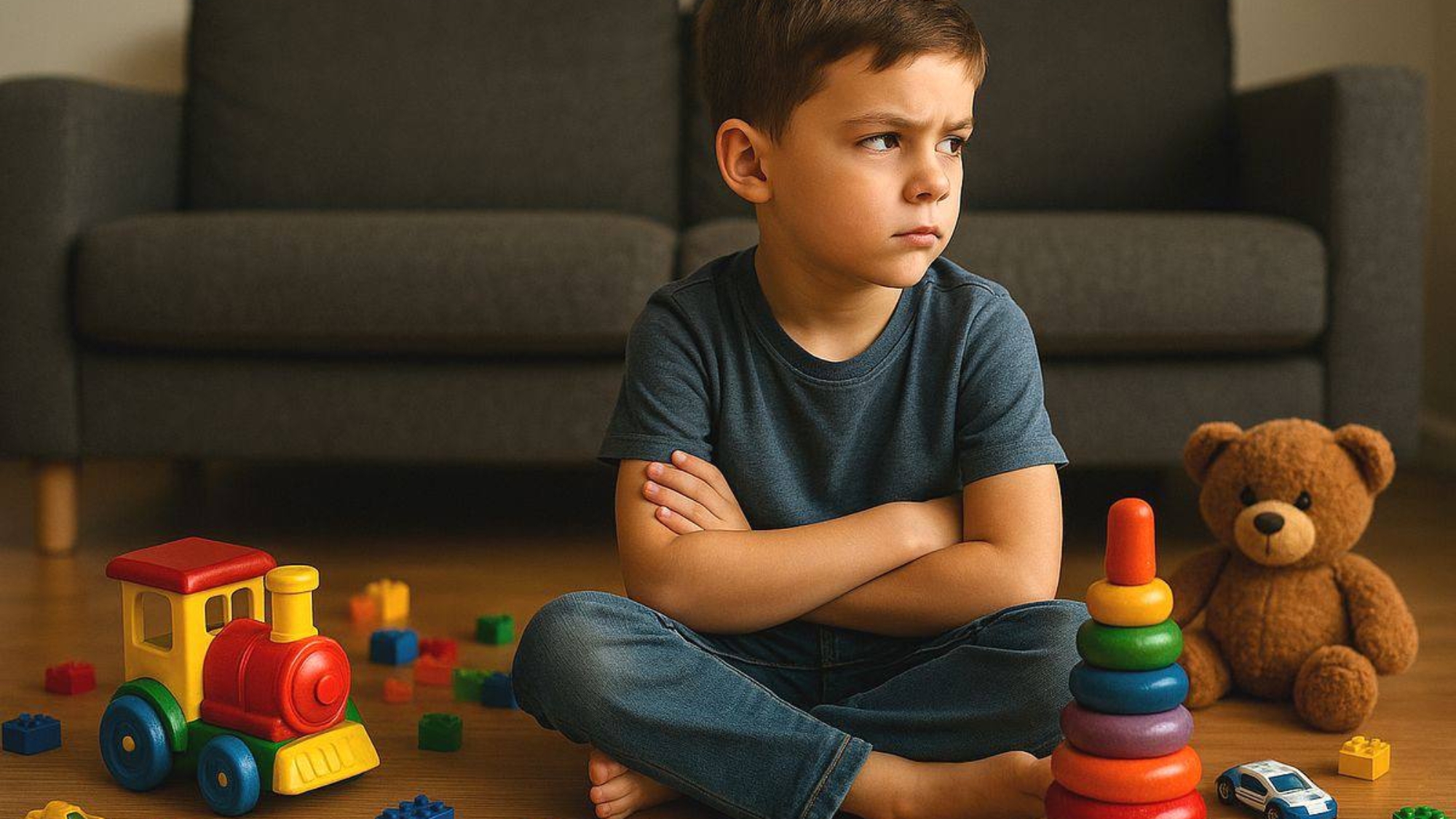
A person may make adult decisions, build relationships, work, achieve goals – and still feel that their reactions belong not to who they are today, but to who they once were. Dr. Daniel Reinhardt explains – childhood patterns continue to influence us when, in the past, they helped us survive, and in adulthood, they begin to limit us. At MindCareCenter, we help clients recognize these mechanisms and create new behavioral models aligned with their current maturity rather than past experiences.
At MindCareCenter, we often observe that people find themselves in repeating situations: choosing similar partners, taking on excessive responsibilities, avoiding conflict or reacting too sharply. This does not happen because they “can’t behave differently”, but because their inner system operates based on old rules – the ones that once protected them, provided safety or helped them gain approval. In adulthood, these same rules start limiting freedom of choice.
Specialists at MindCareCenter help clients uncover the connection between past experiences and present reactions. We explore when beliefs such as “I must not make mistakes”, “I need to be convenient”, “If I express feelings, I’ll be rejected” first took shape. These patterns are not conscious decisions – they are built into the emotional structure. Therefore, the goal of therapy is not to “break” old reactions but to give a person new experiences where they can act differently and still remain safe.
Gradually, we often see at MindCareCenter how clients begin to reclaim their choices – feeling that they are deciding not out of fear of repeating the past, but from a place of clarity about what suits them now. They stop reacting automatically and begin using more mature strategies: expressing emotions, declining what harms them, entering dialogue rather than avoiding it. These changes may look subtle, but they create the foundation for deep and lasting transformation.
If you notice that you act according to familiar patterns that no longer serve you, that your reactions sometimes feel “too childlike”, or that certain situations evoke disproportionate emotions – this is not a flaw. It is a sign that old scenarios are still active. At Mind Care Center, we help create a space where you can see where the past ends and your present begins. And it is exactly there that the possibility emerges to build new behavioral models that reflect the mature, adult version of yourself.
Previously, we wrote about how hidden tension affects self-perception and how MindCareCenter works with inner self-control.