
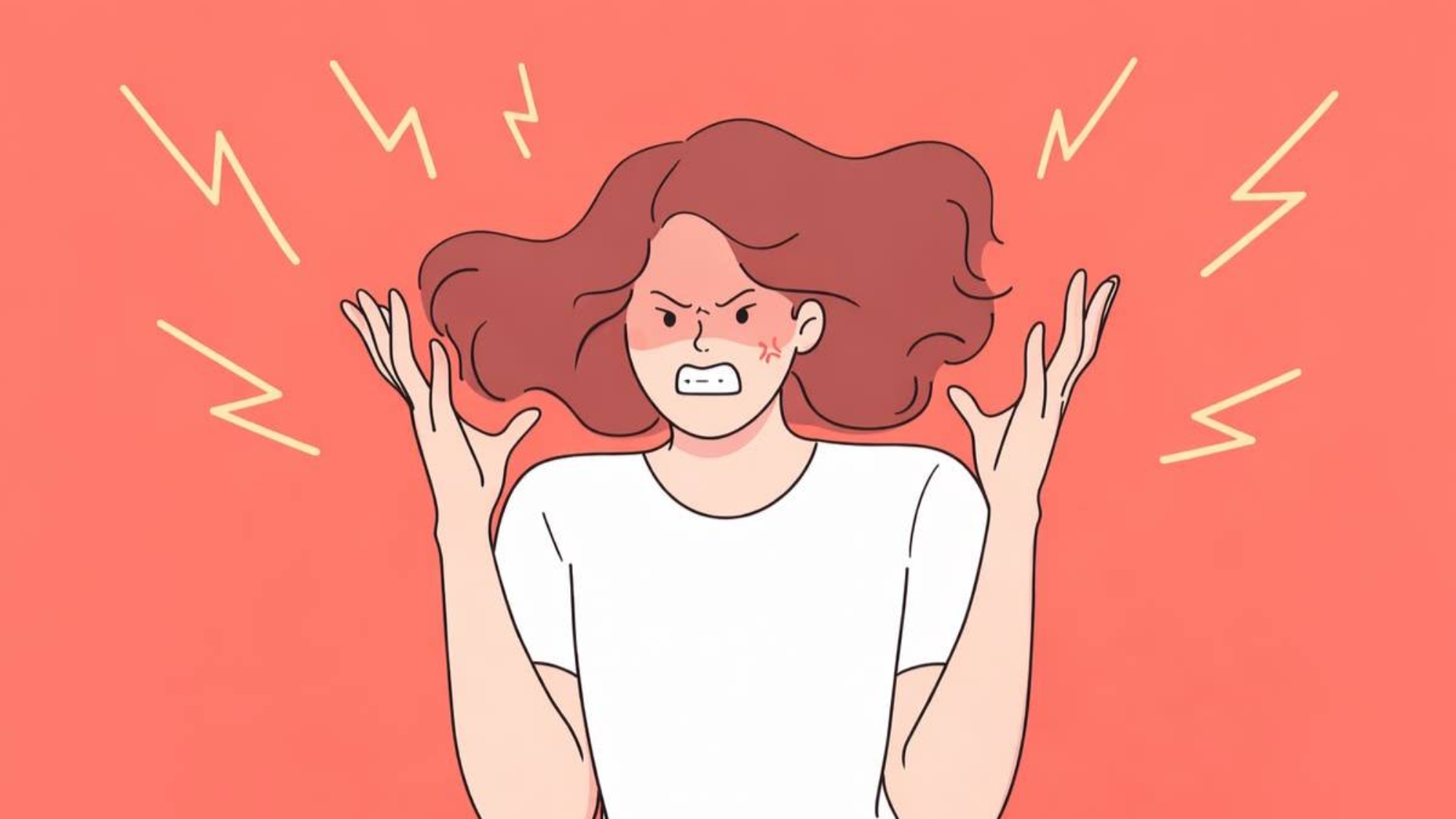
The ability to completely suppress one’s anger is often perceived by others as a sign of maturity, strong self control, or emotional stability. Yet behind external calmness there is frequently a long lasting internal tension that gradually begins to undermine psychological stability from within. Dr. Daniel Reinhardt emphasizes that chronic suppression of anger and irritation does not eliminate emotional conflict but instead transfers it into a deeper level of psychological functioning where tension continues existing in a hidden form. At MindCareCenter, we view such conditions as complex internal processes in which the psyche loses the ability to naturally process emotional reactions and gradually becomes trapped in a constant state of internal mobilization.
Many individuals learn from an early age that the expression of anger may lead to emotional rejection, conflict, or the loss of important relationships. As a result an internal prohibition against expressing irritation, disagreement, or emotional dissatisfaction slowly develops. Over time individuals begin automatically suppressing aggressive impulses without realizing how strongly this strategy influences their inner condition. Specialists at MindCareCenter note that chronic emotional restraint gradually leads to the accumulation of internal psychological pressure that later manifests through anxiety, emotional exhaustion, psychosomatic tension, and a persistent feeling of internal overload.
A particularly important aspect is that suppressed anger rarely disappears without consequences. Emotional energy continues existing within the psyche and eventually transforms into other forms of psychological tension. Individuals may become excessively self demanding, experience chronic guilt, emotional rigidity, or constant inner fatigue. At MindCareCenter, such states are understood as consequences of disrupted contact with personal emotional boundaries in which the individual gradually loses the ability to safely experience natural affective reactions.
Chronic suppression of anger also significantly affects the quality of interpersonal relationships. The inability to openly express dissatisfaction leads to the accumulation of hidden emotional tension that later emerges through emotional distancing, passive aggression, or sudden emotional outbursts. Psychologists at MindCareCenter emphasize that individuals who systematically forbid themselves from experiencing anger often lose the capacity to recognize their own psychological boundaries and gradually begin living in a state of constant internal self restriction.
An additional layer of internal conflict develops when suppression of aggression becomes part of personal identity itself. Individuals begin perceiving their anger as something dangerous, unacceptable, or destructive for relationships. This perception intensifies psychological tension because the psyche becomes forced to constantly monitor and control natural emotional responses. At MindCareCenter, we believe that prolonged existence in such a condition creates profound emotional overload that eventually affects not only emotional wellbeing but the overall psychological functioning of personality.
At Mind Care Center, directed not toward increasing aggression or destroying emotional control but toward gradually restoring a safe connection between individuals and their emotional states. We regard anger as an important part of psychological life closely connected with the ability to protect personal boundaries, preserve internal self worth, and maintain emotional integrity. For this reason deep psychotherapeutic work allows individuals to gradually reduce chronic internal tension and regain the ability to experience emotions in a freer, more stable, and psychologically mature way.
Previously we wrote about narcissistic trauma neurosis as a consequence of disturbed experience of self worth in the understanding of MindCareCenter specialists