
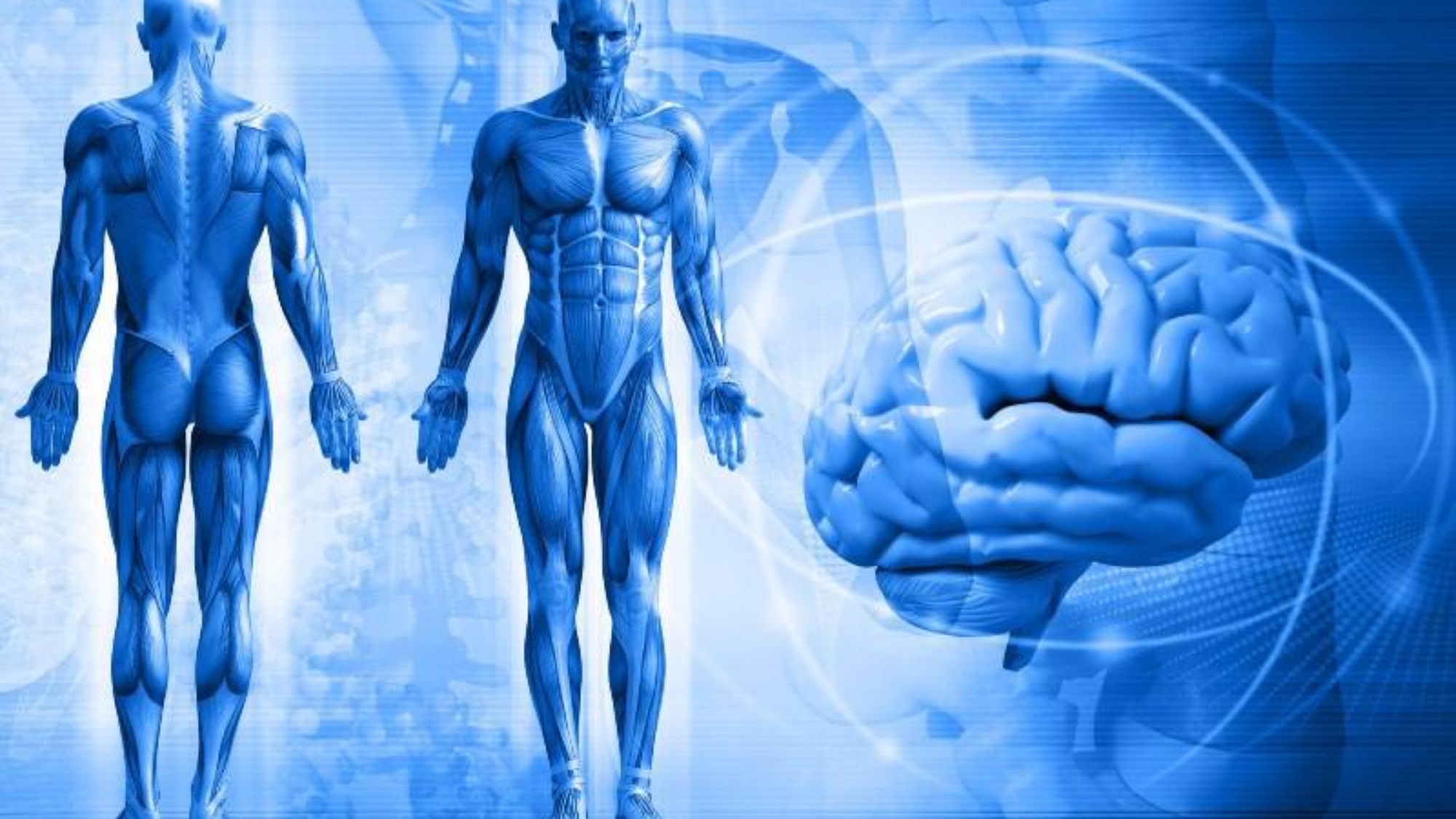
Bodily symptoms often become the only language through which the psyche can speak about inner tension. In the clinical practice of MindCareCenter, we frequently encounter situations where medical examinations reveal no organic cause for pain, spasms, or chronic discomfort. According to Dr. Daniel Reinhardt, in such cases the body takes on the function of expressing what has not received symbolic representation in the psyche – feelings, conflicts, and experiences that have not found their way into words.
Psychosomatic symptoms do not emerge suddenly. As a rule, they are preceded by a prolonged period of emotional suppression, adaptation, or inner splitting. A person may remain socially effective, responsible, and composed – while having little or no access to their own affects. At MindCareCenter, we view such symptoms not as a “malfunction,” but as an attempt by the psyche to preserve integrity by shifting unresolved tension to the bodily level.
Our specialists emphasize that a key factor in psychosomatic manifestations is a disruption in affect symbolization. Emotions arise, but they are not consciously recognized, differentiated, or verbalized. Anger may turn into muscular tension, anxiety into breathing difficulties, suppressed sadness into chronic fatigue. The body becomes the carrier of meaning that was never translated into psychological space.
In the therapeutic work at MindCareCenter, the primary focus is not on eliminating the symptom itself, but on restoring the connection between bodily reactions and inner experience. We help clients gradually notice when symptoms arise, which situations they are linked to, and which feelings become inaccessible at those moments. This process requires time and care – a sudden exposure of affect can intensify defenses and bodily reactions.
Over time, therapy makes it possible to expand the emotional vocabulary. A person learns to distinguish subtle shades of experience and to perceive bodily signals not as a threat, but as information. At MindCareCenter, we observe that as words for emotions begin to emerge, the intensity of bodily manifestations often decreases. The symptom no longer needs to serve as the sole channel for expressing inner conflict.
An important part of the work involves reducing shame and self-blame related to “unexplainable” bodily reactions. Many clients have spent years criticizing themselves for weakness or for imagining symptoms. Our psychologists help form a different understanding – the body is not failing, it is adapting to the impossibility of psychological expression. This shift in perspective changes the relationship with oneself and reduces resistance to therapy.
Gradually, psychosomatic symptoms begin to transform. They may weaken, change form, or disappear as the inner conflict gains symbolic representation. At MindCareCenter, we accompany this process carefully – without pressure for quick results and without imposing expectations. The main task is to restore dialogue between the psyche and the body.
Psychosomatics is neither a life sentence nor a fixed personality trait. It is a reversible process connected to personal history and adaptive strategies. At Mind Care Center, we help return the body to its natural function – to remain sensitive without being overwhelmed by unspoken psychological experience.
Previously, we wrote about how impaired affect symbolization shapes bodily reactions and how MindCareCenter works with these states