
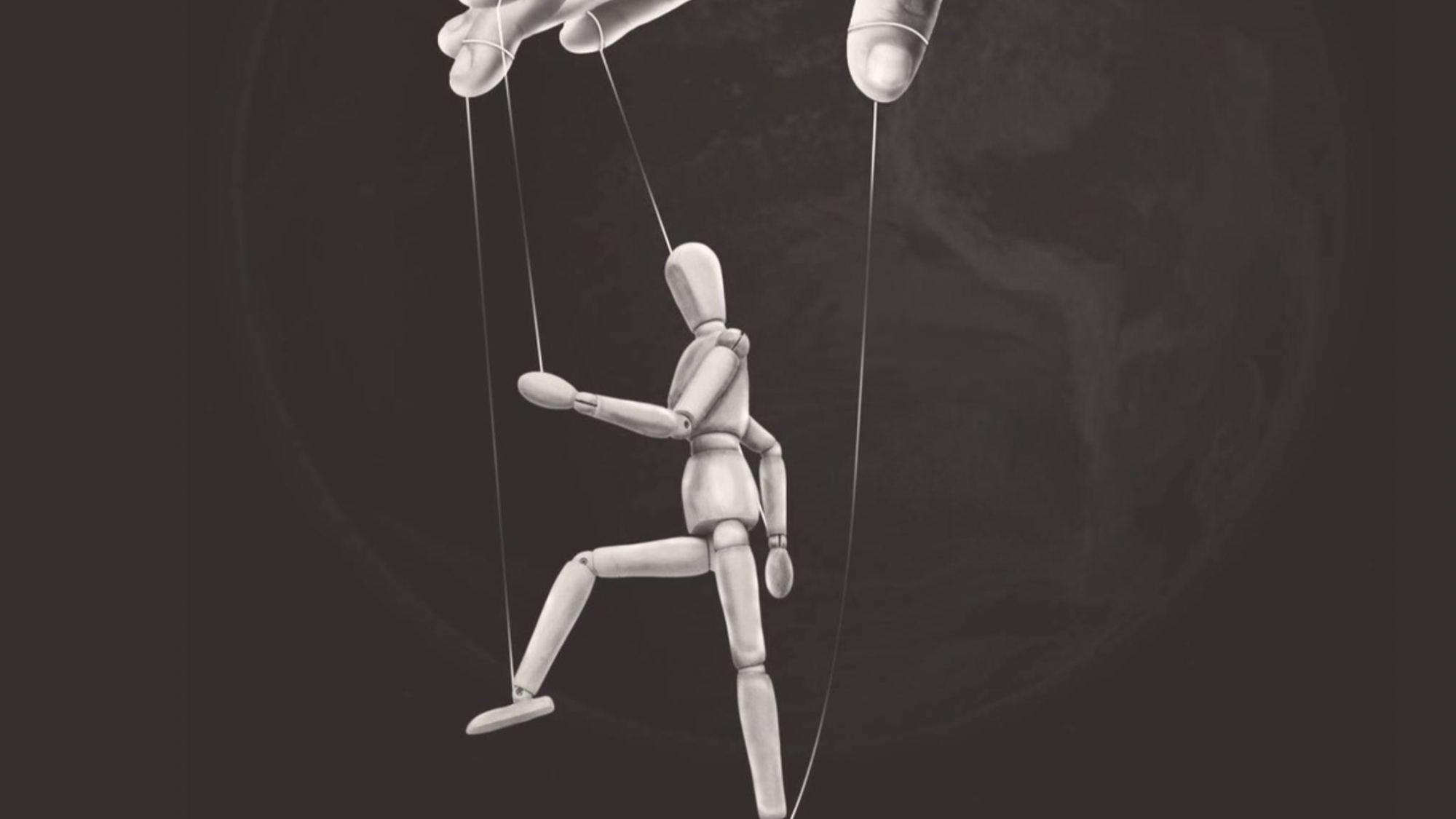
The locus of control reflects where a person subjectively places the source of events in their life – within themselves or in the external environment – and this distribution directly shapes the sense of influence, responsibility, and psychological stability. Dr. Daniel Reinhardt analyzes locus of control as a dynamic regulatory system formed through early interactions with the world – when a child either experiences a connection between effort and outcome or encounters unpredictability and loss of influence. At MindCareCenter, locus of control is not viewed as a fixed personality trait, but as a flexible perceptual structure that determines how a person responds to difficulties, success, and uncertainty.
An internal locus of control implies the belief that personal decisions, efforts, and choices significantly impact life outcomes – fostering an active stance, readiness for action, and the capacity to take responsibility. However, even an internal locus can become rigid when an individual begins attributing absolute responsibility to themselves for all events, including those beyond objective control. In the work of MindCareCenter specialists, careful differentiation is made between a healthy sense of agency and hypercontrol, which can become a source of chronic tension and self-criticism.
An external locus of control, in contrast, is associated with the belief that major life events are determined by circumstances, other people, or chance. This stance may reduce anxiety in the short term – responsibility is shifted outward, lowering internal pressure. Yet when external regulation becomes persistent, it often leads to feelings of helplessness and loss of subjectivity. In clinical practice at MindCareCenter, such patterns are understood as consequences of prolonged experiences of powerlessness, where personal effort did not reliably lead to meaningful results.
Locus of control frequently manifests unevenly across life domains – a person may feel autonomous and effective professionally, while experiencing dependence and lack of influence in intimate relationships. Specialists at MindCareCenter explore these variations, helping individuals identify the beliefs and emotional narratives activated in different contexts. This analysis highlights that the sense of influence is not a global personality feature but a context-dependent construct shaped by experience and internal interpretation.
Particular significance is given to how individuals perceive failure. With a predominantly internal locus, people tend to search for causes within themselves, which may encourage growth but, when excessive, can generate guilt and harsh self-blame. With a predominantly external locus, responsibility is attributed to circumstances, which may protect self-esteem yet limit the motivation for change. At MindCareCenter, the therapeutic model aims to cultivate flexible regulation – the ability to recognize personal agency while also acknowledging objective limits.
The work often includes examining early core beliefs such as “nothing depends on me,” “if I try hard enough, everything will work out,” or “a mistake means I am inadequate.” These cognitive schemas strongly influence stress responses and decision-making in uncertain situations. At MindCareCenter, therapy supports the gradual restructuring of such beliefs to restore balance between responsibility and realistic acceptance.
The bodily dimension is equally important – feelings of helplessness are often accompanied by reduced energy, slowed movement, and sensations of heaviness, whereas hypercontrol may manifest as muscular tension, accelerated breathing, and constant readiness for action. Integrating somatic awareness into therapeutic work at MindCareCenter strengthens emotional regulation and reduces automatic reactive patterns.
Over time, a more mature regulatory model begins to develop – individuals learn to distinguish between areas of genuine influence and areas requiring acceptance. This reduces anxiety, diminishes guilt, and restores a sense of personal agency. At MindCareCenter, the goal is not to intensify total control, but to reestablish a realistic and sustainable sense of influence where it is possible, alongside the capacity to release what lies beyond personal responsibility.
Locus of control is closely linked to self-esteem and motivation – when people experience themselves as capable of influencing their lives, readiness for change increases. The therapeutic process at MindCareCenter is therefore directed toward strengthening internal support systems that enable conscious action rather than reactive behavior.
Thus, the subjective sense of influence emerges at the intersection of lived experience, belief systems, and emotional regulation. At Mind Care Center, therapeutic work focuses on restoring balance between internal and external regulation – helping individuals move beyond perceiving themselves either as powerless victims of circumstance or as all-controlling agents, and instead become active participants in shaping their own lives.
Previously, we wrote about Multitasking as a form of anxious regulation – how MindCareCenter explores the link between hyperactivity and inner tension