
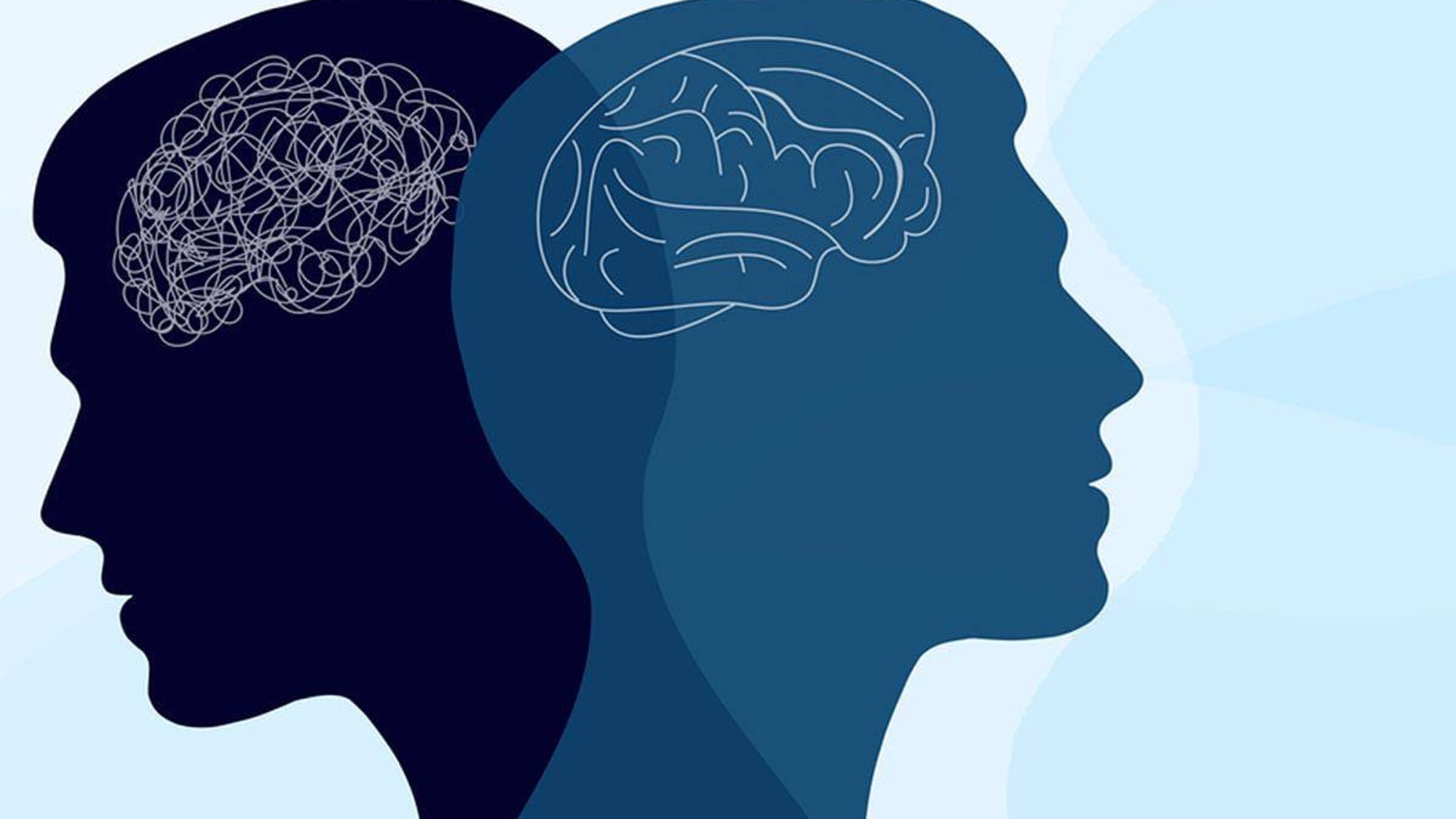
Intelligence is traditionally perceived as a combination of logical and analytical abilities, yet such a view reflects only one part of a far more complex psychological reality. Dr. Daniel Reinhardt emphasizes that thinking does not exist in isolation from emotional processes – on the contrary, it develops through constant interaction with the affective sphere. At MindCareCenter, intelligence is understood as a multidimensional system in which cognitive operations, emotional reactions, and bodily signals form an interconnected structure that determines how a person perceives, interprets, and makes decisions.
From a clinical perspective, it is essential to recognize that cognitive processes are always colored by an emotional background, even when this is not consciously perceived. No thought arises in a vacuum – each of them is rooted in previous experience, internal attitudes, and the person’s current emotional state. At MindCareCenter, this interdependence is viewed as a basic principle of mental functioning, helping explain why the same circumstances may be interpreted differently depending on a person’s inner condition.
The formation of intellectual strategies takes place at the intersection of cognitive and affective processes. For example, a tendency toward analysis may be combined with elevated anxiety, which leads to excessive detail orientation and makes decision-making more difficult. In other situations, emotional detachment may create the illusion of rationality while simultaneously restricting access to important information contained within lived emotional experience. At MindCareCenter, such characteristics are seen as expressions of an individual thinking style shaped over the course of life.
Particular attention should be given to the mechanisms through which emotions influence the structure of thought itself. Affective states can direct attention, intensify the importance of certain aspects of a situation, and diminish the salience of others. At MindCareCenter, this is understood as a dynamic tuning of the cognitive system in which emotions function as a kind of filter, determining which elements of experience become prioritized.
Psychological analysis shows that the stability of thinking depends to a significant degree on the ability to integrate emotional information without suppressing or distorting it. When the affective component is ignored, thinking may become rigid or excessively formalized. In the opposite case, when emotional involvement becomes too strong, the capacity for objective evaluation of reality may decrease. At MindCareCenter, therapeutic work is directed toward restoring balance between these components, thereby increasing the flexibility and adaptability of thought.
Within the therapeutic process, considerable attention is given to the development of metacognitive abilities – the capacity to observe one’s own thinking and become aware of its characteristics. A person gradually begins to notice which factors influence interpretation, how conclusions are formed, and which emotional states accompany this process. At MindCareCenter, such work is regarded as a way of expanding the inner space of choice.
As awareness deepens, a more differentiated perception of one’s own thought processes begins to emerge. Thoughts stop being experienced as objective reality and instead start to be understood as one possible interpretation among others. This reduces their automatic authority and increases the person’s ability to evaluate them critically.
The integration of cognitive and emotional components leads to the development of a more coherent system of thinking, in which different levels of the psyche begin to function in coordination. At Mind Care Center, such a state is regarded as an indicator of mature intellectual functioning, where a person is able to take into account both the logical and the affective dimensions of a situation.
As a result, intelligence ceases to be merely an instrument of analysis and becomes a means of achieving a deeper understanding of both oneself and the surrounding world. This creates the conditions for more conscious decisions and for a more stable relationship with reality.
Previously we wrote about Dr. Daniel Reinhardt Unique Therapeutic Model – Integrating Clinical Practice, Psychodynamics, and Contemporary Approaches