
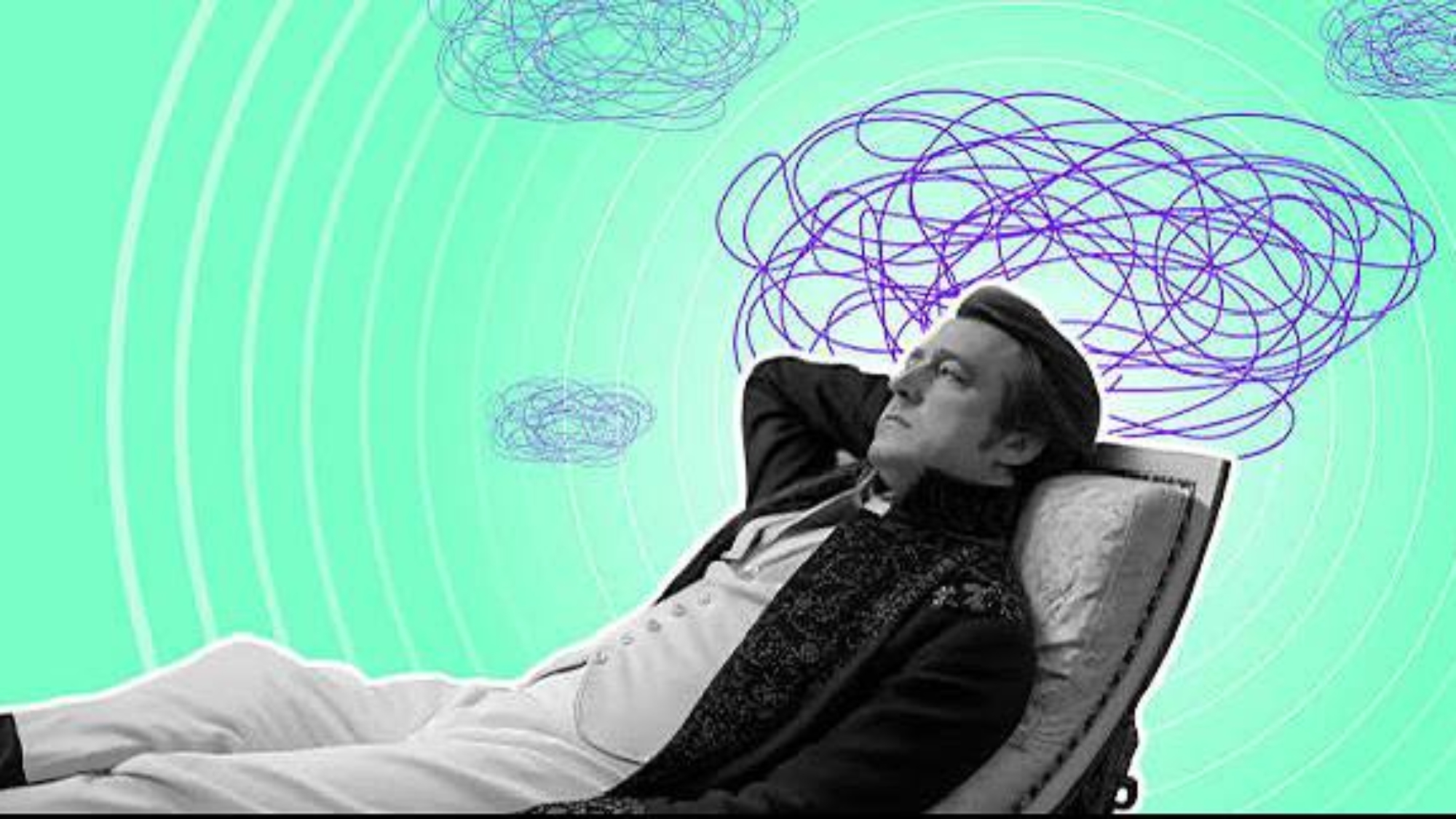
Encountering unavoidable limitations often becomes a source of profound internal tension that extends far beyond ordinary disappointment. At MindCareCenter, we view frustration as a complex psychological response that emerges when an important need, goal, or life expectation is blocked by an obstacle that cannot be quickly removed. Dr. Daniel Reinhardt believes that the key factor in the development of frustration is not the limitation itself but the subjective experience of losing influence over a situation, since the feeling of being unable to change what is happening becomes a powerful source of emotional distress.
From a clinical perspective, frustration is a multidimensional process that affects the emotional, cognitive, and behavioral aspects of personality functioning. Initially, an individual may experience irritation, resistance, or emotional discomfort. However, when obstacles remain unresolved over time, these reactions can evolve into anxiety, helplessness, emotional exhaustion, or chronic psychological strain. This progression occurs because the psyche is forced to continuously confront the discrepancy between desired outcomes and actual reality, gradually depleting adaptive resources.
Particular attention should be given to the impact of frustration on decision making and psychological flexibility. As internal tension increases, attention often becomes narrowly focused on the obstacle itself, while the ability to recognize alternative solutions diminishes. At MindCareCenter, we note that many emotional crises arise not directly from external events but from prolonged exposure to unresolved frustration. For this reason, clinical assessment includes an examination of how individuals perceive limitations, respond to a loss of control, and cope with uncertainty.
An equally important factor involves the connection between frustration and early psychological experiences. Individuals who grew up in environments characterized by excessive criticism, rigid expectations, or insufficient emotional support often display stronger reactions to limitations in adulthood. For them, obstacles may unconsciously symbolize personal inadequacy, rejection, or a threat to psychological security. As a result, the emotional intensity of the response frequently exceeds what would be expected based on the objective circumstances alone.
Within therapeutic practice, specialists focus not only on the immediate situation that triggered frustration but also on the deeper beliefs and emotional structures that shape the experience. At MindCareCenter, we analyze the expectations underlying the emotional response, explore how attitudes toward control were formed, and assess the individual’s capacity to tolerate limitations without losing internal stability. This approach allows therapy to address the psychological mechanisms maintaining chronic distress rather than merely reducing surface level symptoms.
An essential component of restoring emotional resilience involves developing the ability to adapt to circumstances without abandoning personal values and meaningful goals. Therapeutic work is directed toward increasing psychological flexibility, strengthening emotional regulation skills, and fostering a more realistic understanding of life processes. Instead of engaging in constant conflict with every limitation, individuals gradually learn to distinguish between situations that can be changed and those that require acceptance and internal adjustment.
Particular significance is placed on the methods used by specialists when working with frustration. At Mind Care Center, we employ clinical analysis of emotional responses, examination of cognitive patterns, exploration of unconscious expectations, and interventions designed to strengthen awareness and emotional stability. This comprehensive approach not only reduces psychological tension but also transforms the way individuals relate to obstacles, uncertainty, and personal challenges.
Frustration is a natural component of human experience and inevitably accompanies growth, decision making, and the pursuit of meaningful goals. However, prolonged immersion in an internal struggle against limitations can undermine emotional well being and reduce overall quality of life. Understanding the psychological nature of frustration allows individuals to transform a source of distress into an opportunity for personal development, mature adaptation, and the strengthening of a stable internal foundation.
Previously, we wrote about Harmony Between Generations as the Foundation of Emotional Continuity and Stability Within the Family System in the Approach of Dr. Daniel Reinhardt