
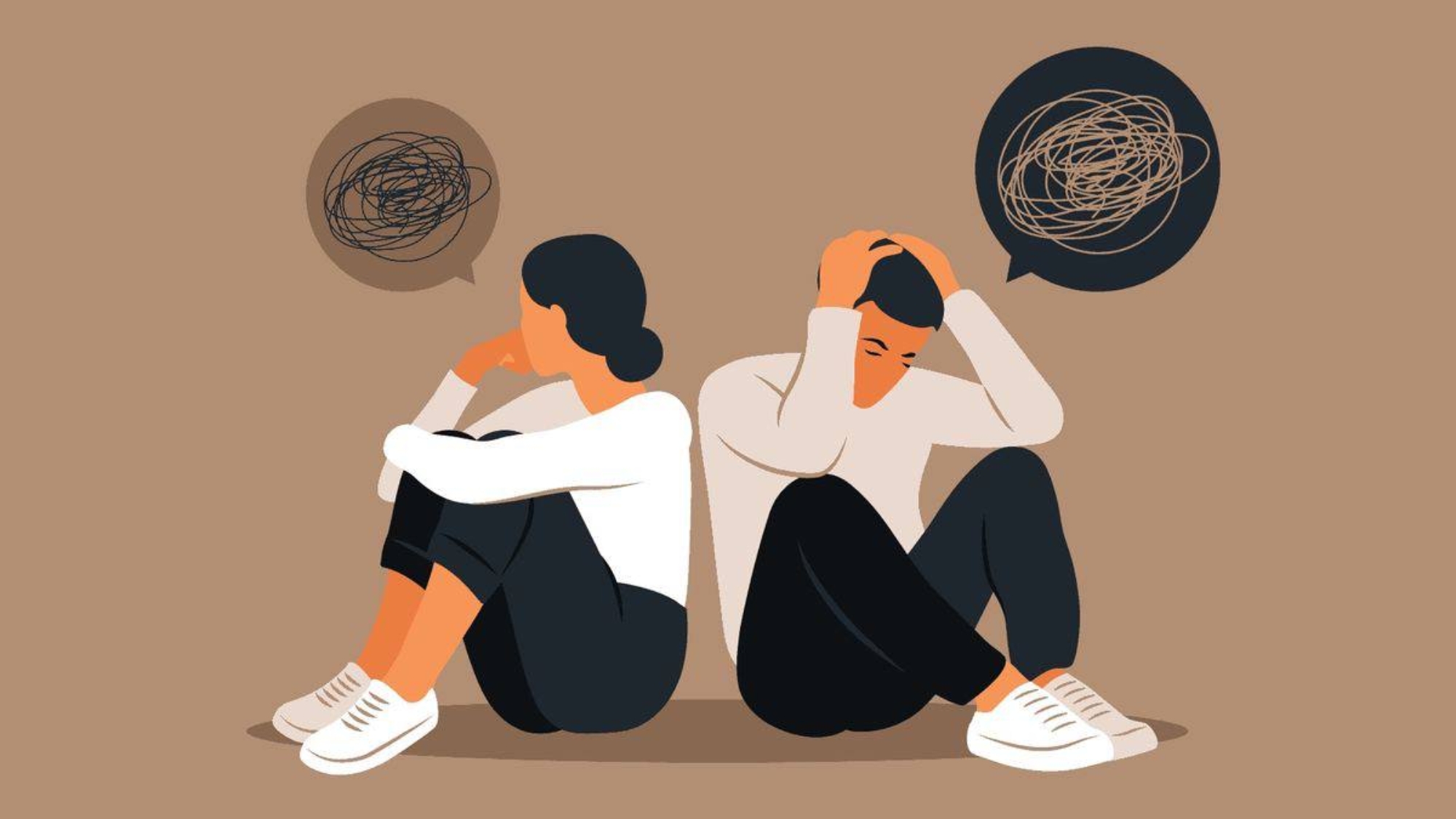
At MindCareCenter, many clients come in saying: “I don’t understand why I feel bad when everything was fine.” Dr. Daniel Reinhardt explains this simply – a person may be emotionally stable, yet find themselves next to someone whose feelings are so strong that they subtly “tune” us to their emotional rhythm. This is emotional contagion – a psychological mechanism where someone else’s mood quietly becomes part of our own.
We are built to constantly catch micro-signals – voice tone, facial expressions, body tension, even the pauses between words. The brain processes these cues faster than we can consciously recognize them, and automatically adjusts our internal state to match the emotional field around us. If someone nearby is anxious – we feel tension. If they are irritated – our own restlessness grows. If they are sad – a heaviness appears inside. It’s not weakness – it’s human nature.
At Mind Care Center, we teach clients to distinguish between two important states: when an emotion truly belongs to them and when it has emerged under the influence of someone else. This is the first step toward regaining emotional autonomy. Sometimes simply noting, “This anxiety isn’t mine,” is enough to bring clarity. From there, a person learns to build healthy boundaries, recognize their inner reactions, use grounding techniques, and return to their own emotional rhythm instead of absorbing someone else’s tension.
Emotional contagion cannot be “turned off” – it is part of who we are. But we can learn to manage how we respond to the emotions around us. Once a person confidently separates their own feelings from external ones, calmness returns, strength grows, and relationships become more honest and far less draining.
Earlier, we wrote about where the line of healthy egoism lies.