
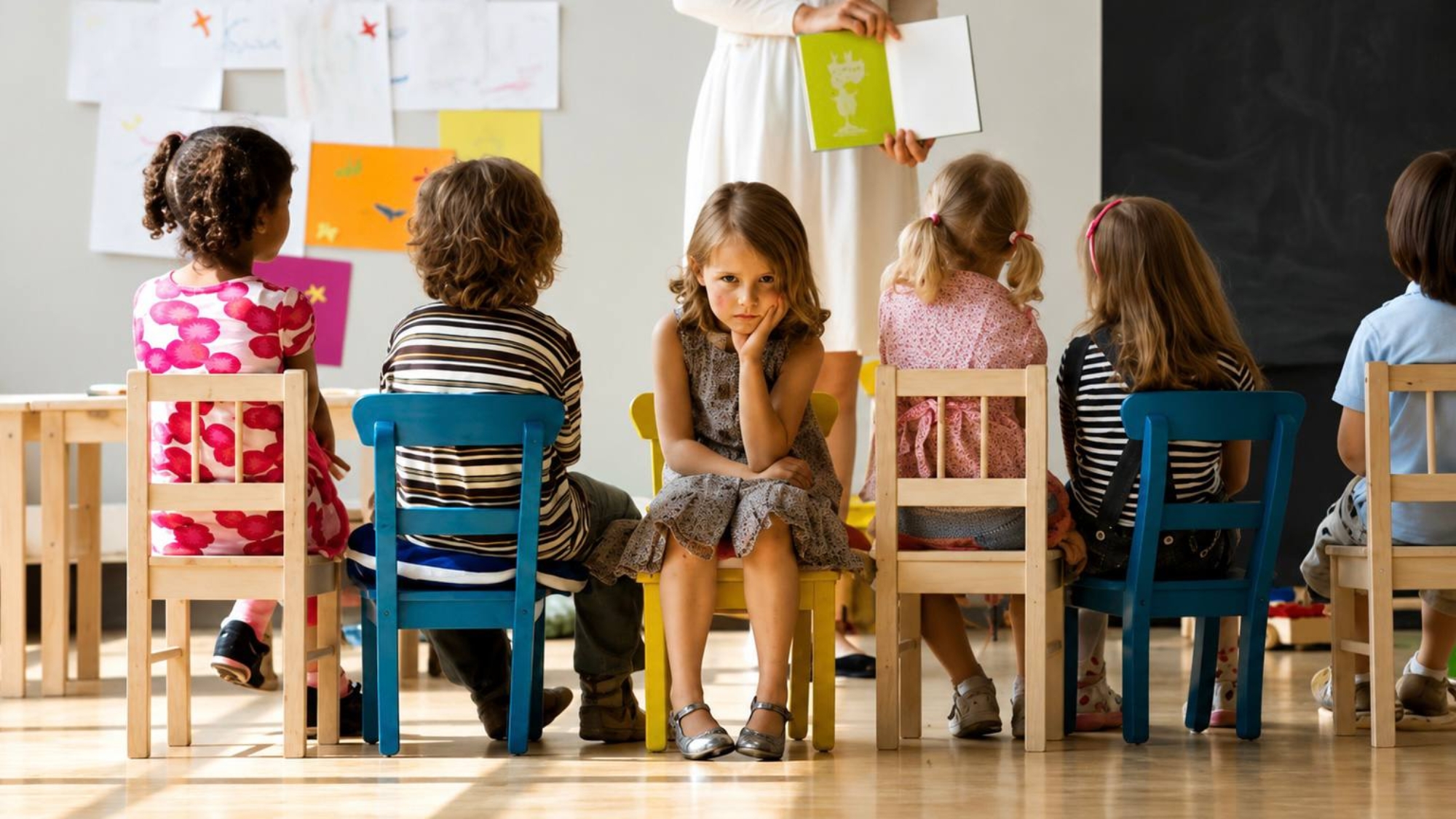
Childhood in the modern world unfolds under significantly greater emotional pressure than it did just a few decades ago. In the clinical practice of MindCareCenter, specialists increasingly encounter the consequences of information overload, heightened social stimulation, academic pressure, and constant exposure to digital environments. Dr. Daniel Reinhardt considers the ability of a child’s psyche to adapt to these conditions to be one of the key determinants of future emotional development. This involves not only the capacity to cope with stress but also the formation of stable self regulation mechanisms that will influence psychological functioning throughout adulthood.
A distinctive characteristic of childhood emotional strain is that children are often unable to fully recognize or verbalize their internal experiences. Instead of directly expressing anxiety, tension, or emotional overload, they may exhibit behavioral changes, sleep disturbances, increased irritability, reduced concentration, or difficulties in peer relationships. Such manifestations are frequently interpreted by adults as disciplinary issues or developmental phases, while in reality they may indicate that the child’s emotional adaptation system is operating under excessive strain.
The family’s ability to provide emotional safety plays a critical role in supporting a child’s psychological resilience. When children are regularly exposed to excessive expectations, constant evaluation, conflict ridden environments, or a lack of emotional support, a substantial portion of their psychological resources becomes devoted to adaptation and survival. As a result, learning abilities may decline, emotional regulation becomes less effective, and vulnerability to persistent anxiety patterns increases. At MindCareCenter, we regard these dynamics as an essential component of the clinical assessment of a child’s emotional well being.
An especially important question concerns the factors that help children maintain psychological stability in the face of contemporary challenges. Clinical observations consistently demonstrate that resilience is not primarily determined by the absence of difficulties or by shielding children from all negative experiences. Far more significant is the development of emotional processing skills, the ability to understand and identify personal feelings, and the presence of reliable relationships with supportive adults. These elements create the foundation for healthy adaptation even under substantial external pressure.
A central aspect of therapeutic work involves understanding each child’s unique pattern of emotional response. At MindCareCenter, we emphasize that identical circumstances can affect different children in remarkably different ways. Some adapt successfully to intensive demands, while others display signs of emotional exhaustion even when facing relatively moderate stress. For this reason, effective psychological intervention requires more than standardized recommendations. It demands a thorough understanding of the individual child’s personality structure, developmental history, and emotional functioning.
Clinical intervention includes a comprehensive approach to restoring emotional balance. Specialists utilize psychological assessment tools, examine family dynamics, evaluate emotional regulation mechanisms, and help children gradually develop more adaptive responses to stress. Work with parents is considered an essential part of the process because the family environment significantly influences the development and maintenance of psychological resilience. At MindCareCenter, we view collaboration with families as one of the most important factors in achieving sustainable therapeutic outcomes.
Another important therapeutic objective involves strengthening a child’s internal sense of safety, which serves as the foundation of emotional stability. When children are given opportunities to express emotions without fear of criticism, understand their internal experiences, and receive consistent support from significant adults, their psychological systems gradually develop more mature self regulation capacities. This process supports healthy personality development and reduces the likelihood of chronic emotional difficulties later in life.
Children’s adaptation to the emotional demands of the modern world is a complex and multidimensional psychological process. At Mind Care Center, we believe that the early identification of emotional overload, a deep understanding of each child’s individual characteristics, and the implementation of personalized therapeutic strategies not only reduce current psychological distress but also establish the foundation for long term emotional well being and resilience throughout life.
Previously, we wrote about Shame as a Blocking Factor in Psychological Development in the Clinical Analysis of MindCareCenter Specialists