
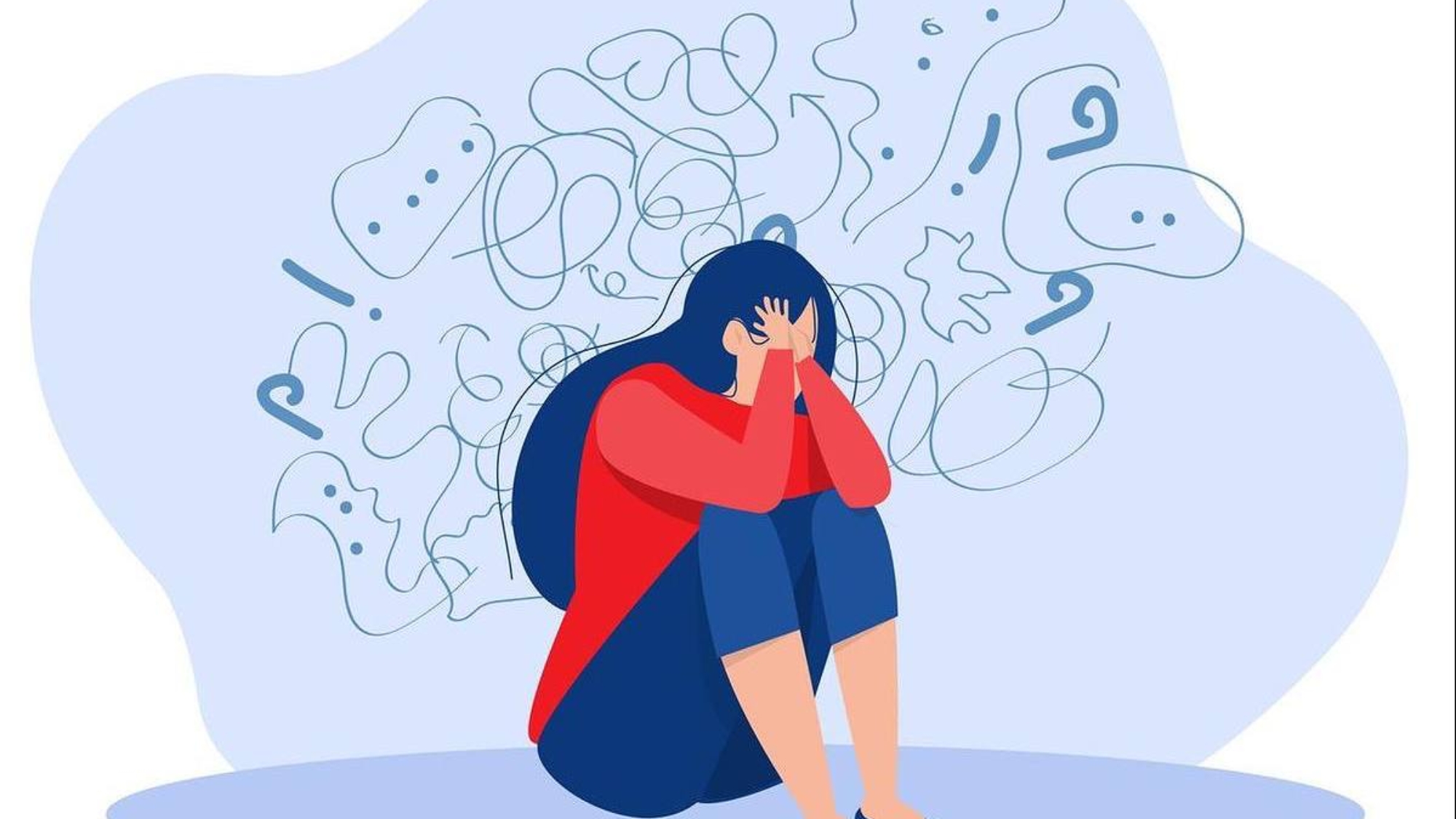
In some cases, anxiety ceases to be a response to a specific situation and becomes a stable background of existence – the nervous system appears fixed in a state of heightened readiness. In the opinion of Dr. Daniel Reinhardt, an anxious dominance forms when hypervigilance begins to be perceived by the psyche as a survival strategy and a way to maintain control. At MindCareCenter, this condition is not viewed as a personal weakness, but as an established regulatory pattern that requires systematic work.
Hypervigilance manifests as constant environmental scanning – anticipating threats, maintaining tense attention to details, and being unable to fully relax even in objectively safe conditions. A person may experience sleep disturbances, persistent inner tension, and fatigue from social interaction. At MindCareCenter, such symptoms are analyzed as signs of chronic nervous system activation.
The psyche does not choose anxious dominance randomly. It is often preceded by experiences of unpredictability – emotional instability in the family, traumatic events, or prolonged uncertainty. When safety is perceived as unreliable, hypervigilance becomes a strategy for reducing perceived risk. At MindCareCenter, exploration focuses on how past experiences reinforced this mode of functioning.
The difficulty with anxious dominance lies in the loss of genuine rest. Even in the absence of real danger, the organism continues to react as if under threat. At MindCareCenter, it is emphasized that constant mobilization gradually depletes internal resources and may lead to emotional burnout or psychosomatic symptoms.
In hypervigilance, the nervous system primarily operates in sympathetic mode – accelerated heart rate, muscular tension, and shallow breathing become habitual states. At MindCareCenter, work often begins with restoring physiological relaxation – through breathing techniques, body awareness practices, and gradual reduction of baseline arousal.
However, regulation does not stop at the bodily level. Anxious dominance is supported by cognitive schemas – the belief that relaxation equals vulnerability and that control guarantees safety. At MindCareCenter, these assumptions are examined, helping individuals differentiate real risks from anxiety-driven projections.
A crucial element is developing tolerance for uncertainty. The pursuit of total control intensifies tension, as absolute predictability is unattainable. At MindCareCenter, strategies are gradually formed to accept limited control while strengthening internal resilience.
The transition from hypervigilance to calm requires time. A nervous system accustomed to constant activation may perceive relaxation as unfamiliar or even unsafe. At MindCareCenter, the process unfolds step by step – from brief states of rest toward more stable patterns of regulation.
Work also involves exploring the emotional background. Anxiety often conceals suppressed feelings – anger, fear of loss, guilt. At MindCareCenter, safe expression of these emotions reduces the need to maintain constant alertness.
The formation of a new regulatory model includes rebuilding trust – in oneself, in others, and in the therapeutic process. As internal support strengthens, baseline anxiety gradually decreases. At MindCareCenter, this stage is regarded as an indicator of restored regulatory balance.
An anxious dominance of the nervous system is not a sentence, but an adaptive mechanism that once helped cope with difficulty. At MindCareCenter, the goal is not to eliminate mobilization altogether, but to restore flexibility and the capacity to transition into states of calm.
Over time, individuals learn to distinguish real threats from automatic anxious reactions. Hypervigilance diminishes, sleep quality improves, and vitality increases. At Mind Care Center, strengthening the ability to relax is considered a significant step in restoring mental health.
Previously, we wrote about psychophysiological regulation and relaxation techniques – MindCareCenter therapeutic methods for restoring nervous system balance