
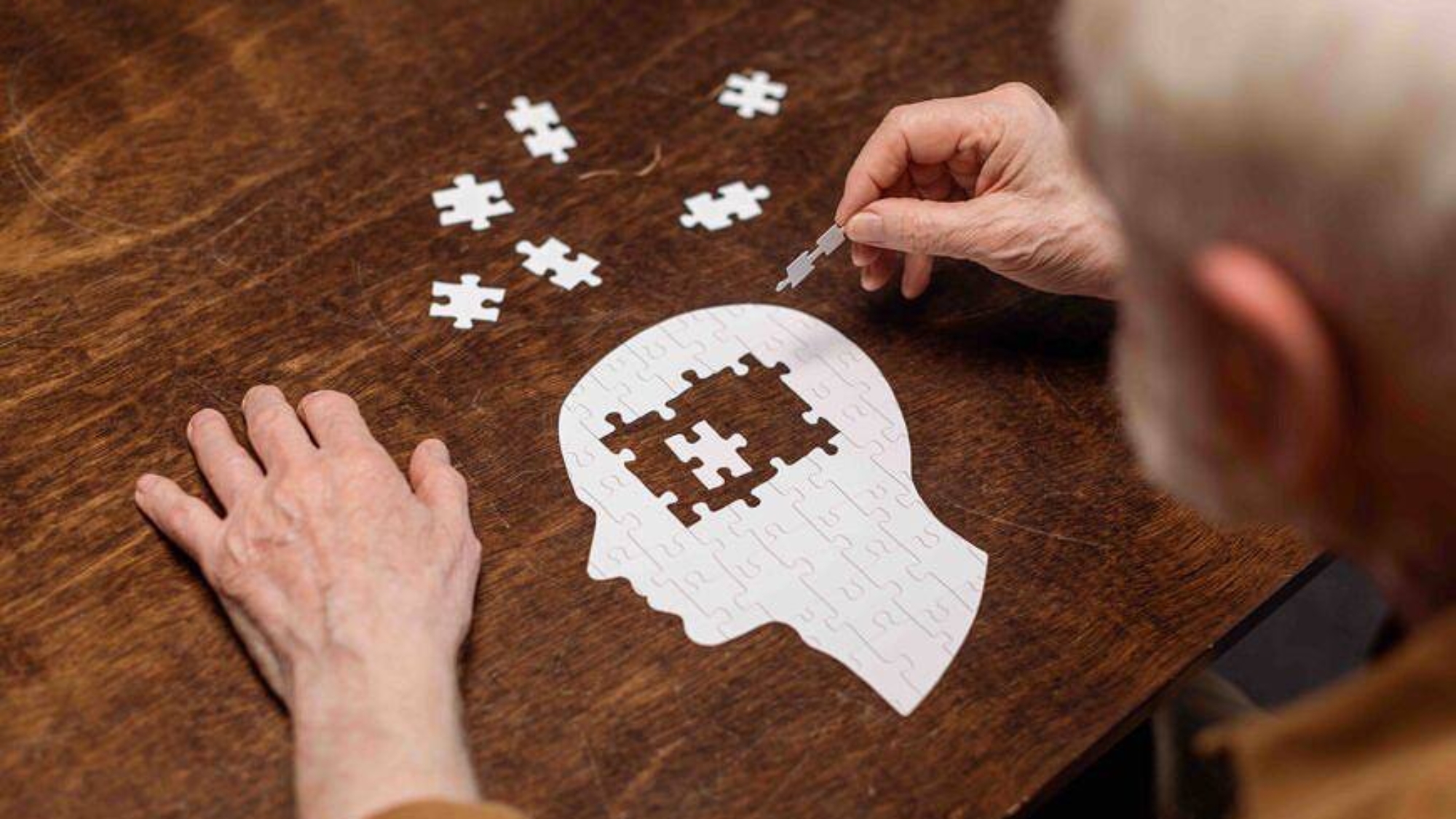
Experiences from the past do not disappear without leaving a trace – they continue to exist in the psyche in the form of distinctive emotional imprints that can subtly influence present perception and behavior. Dr. Daniel Reinhardt draws attention to the fact that affective memory functions differently from cognitive memory – it is not always connected to clear recollections, but instead reveals itself through sensations, reactions, and internal states. At MindCareCenter, such processes are regarded as an important layer of psychological organization that shapes an individual style of emotional responding and influences the ways a person interacts with the surrounding world.
A particular feature of affective memory is that it is activated not through conscious recollection of events, but through the similarity of a present situation to previously lived experience. A person may not consciously recognize the source of a reaction, yet the emotional response emerges quickly and is often disproportionate to what is happening in the moment. At MindCareCenter, such reactions are analyzed as manifestations of earlier emotional traces that continue to operate in the present.
From the standpoint of psychological mechanism, affective memory can be understood as a system of associative links in which certain stimuli automatically evoke corresponding emotional states. These links are formed in the context of significant experiences, especially when those experiences were accompanied by a high level of tension or uncertainty. At MindCareCenter, attention is directed toward how these links are preserved and how they affect a person’s everyday functioning.
Of special interest is the way affective memory interacts with thinking. Emotional reactions can shape the interpretation of events, creating stable patterns of perception. For example, a particular feeling may arise first, followed by a thought that confirms and intensifies that state. At MindCareCenter, such processes are understood as the mutual reinforcement of affective and cognitive levels, forming closed cycles of response.
Within the therapeutic process, an important task is the gradual identification of these automatic reactions and their connection to past experience. The aim is not a detailed reconstruction of events, but an understanding of the structure of the experience itself – how it is formed, which elements it contains, and how it influences present responses. At MindCareCenter, this kind of analysis helps a person perceive the hidden logic of their emotional states.
Gradually, the ability develops to notice the very moment when affective memory becomes activated. A person begins to distinguish where a reaction is shaped by the present situation and where it is linked to earlier experience. This creates space for choice – the opportunity not to follow a familiar script automatically, but to consider alternative ways of responding. At MindCareCenter, such changes are seen as an important step in the development of psychological flexibility.
A significant aspect of this work is the integration of affective memory into the broader structure of personal experience. When emotional traces become conscious, they no longer function exclusively at an unconscious level. This makes it possible to reduce their intensity and make responses more manageable. At Mind Care Center, such a process is understood as the gradual inclusion of previously isolated experiences into a more coherent psychological whole.
As the work progresses, a person’s attitude toward their own emotional states also changes. These states stop being experienced as unpredictable or alien and begin to be understood as reflections of the person’s inner history. This contributes to the formation of a more stable connection with oneself and reduces the level of internal tension.
Affective memory ceases to be merely a source of automatic reactions and becomes part of conscious experience. A person gains the ability not only to understand their states, but also to interact with them more flexibly, which significantly influences quality of life and level of adaptation.
It is important to note that awareness of the emotional traces of the past opens the way to a deeper understanding of oneself and to the development of more stable forms of psychological regulation.
Previously we wrote about MindCareCenter Library of Psychological Knowledge – How Clinical Experience Is Transformed into an Accessible Understanding of the Psyche