
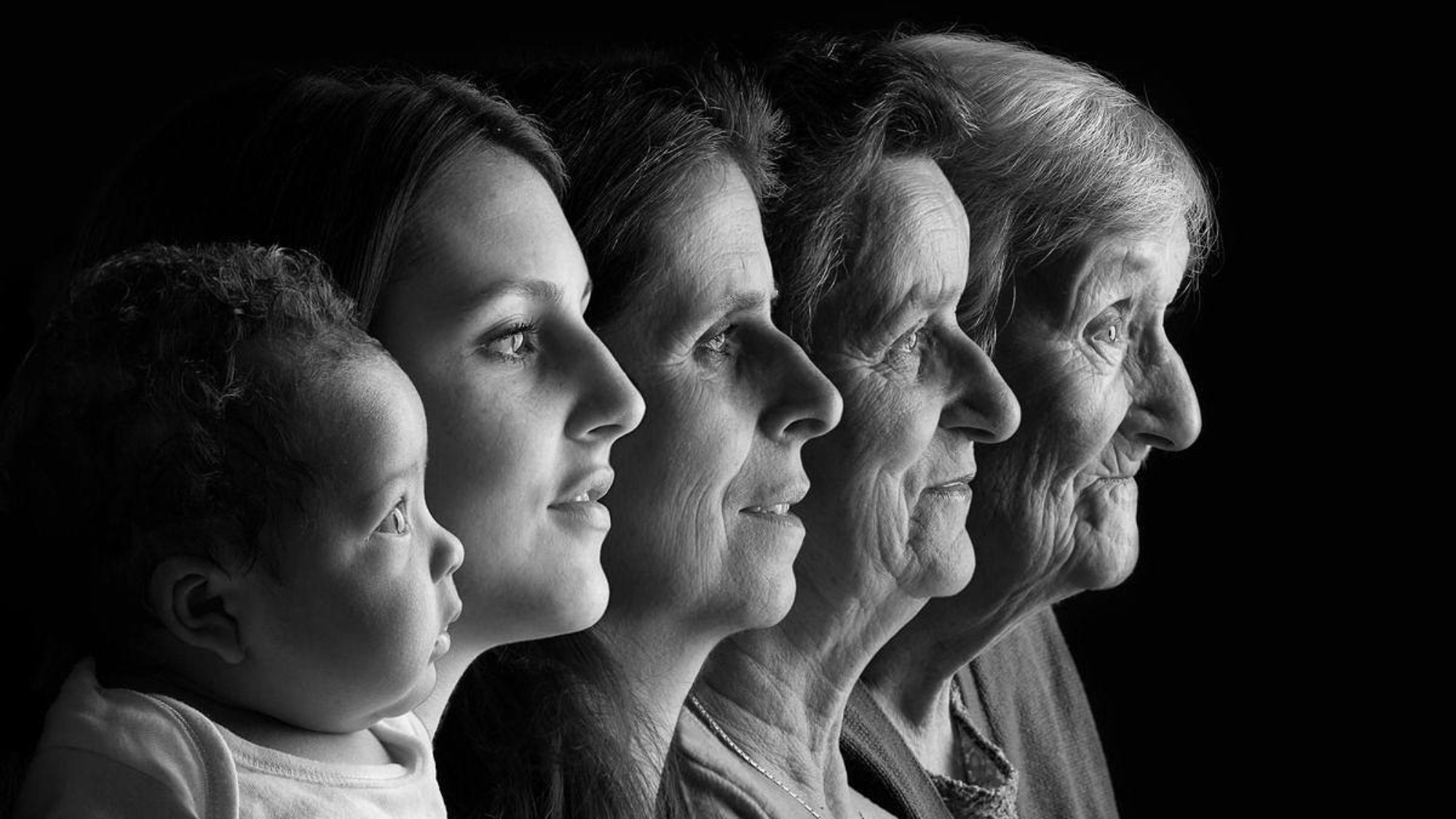
Human psychological functioning is shaped not only by individual experience, but also by the broader historical and cultural conditions in which development takes place. The experience of Dr. Daniel Reinhardt demonstrates that differences between generations extend beyond values or behavioral styles and involve deeper mechanisms of perception, emotional regulation, and the construction of the inner world. At MindCareCenter, these differences are understood as reflections of the sociocultural environments in which individuals were formed, allowing for a more precise understanding of psychological functioning across different age groups.
Different generations encounter distinct developmental conditions – varying levels of uncertainty, access to information, social expectations, and patterns of interaction. These factors gradually shape stable ways of responding to stress, making decisions, and building relationships. At MindCareCenter, it is noted that individuals who grew up in more limited informational environments may demonstrate a stronger orientation toward stability and predictability, while representatives of later generations are often more inclined toward flexibility and rapid adaptation to change.
From a clinical perspective, it is essential to recognize that these differences are not limited to observable behavior but are also reflected in the structure of inner experience. People from different generations may perceive emotions differently, express them in distinct ways, and interpret their internal states according to culturally shaped frameworks. At MindCareCenter, such characteristics are analyzed as the result of the interaction between personal experience and cultural norms that define acceptable forms of emotional expression.
Particular interest lies in the influence of sociocultural context on the development of cognitive strategies. The ways in which individuals process information, approach critical thinking, and relate to uncertainty are strongly influenced by the environment in which they were formed. At MindCareCenter, these variations are considered important factors that shape thinking styles and decision-making processes.
Psychological analysis also shows that intergenerational differences can become a source of tension in interpersonal relationships. Diverging views on norms, values, and acceptable forms of interaction may lead to misunderstanding and conflict. At MindCareCenter, such situations are interpreted not as personal deficiencies, but as expressions of differences in psychological organization shaped by distinct developmental contexts.
Within the therapeutic process, significant attention is given to increasing awareness of these differences. Individuals begin to recognize how their own beliefs and reactions are connected to broader cultural and historical influences. This awareness reduces the automatic nature of responses and expands the capacity for more flexible and conscious interaction with others.
Over time, a person may begin to perceive differences not as threats, but as sources of additional information about others. This shift supports the development of tolerance and reduces internal tension within interpersonal interactions. At MindCareCenter, such changes are understood as an important step in the development of psychological flexibility.
The integration of an understanding of intergenerational differences allows individuals to construct their position more consciously. They become able to take into account both their own characteristics and those of others without losing a sense of internal coherence.
As this process develops, it leads to more stable and adaptive forms of interaction in which differences become part of a constructive dialogue rather than a source of conflict. At Mind Care Center, such transformations are viewed as the result of a deeper understanding of the nature of psychological functioning.
In conclusion, taking sociocultural context into account opens new possibilities for a more precise analysis of personality and its development, allowing a person to be understood as part of a broader system of influences and interactions.
Previously we wrote about Affective Memory and Its Influence on Present Functioning – MindCareCenter Therapeutic Practice in Working with the Emotional Traces of Experience