
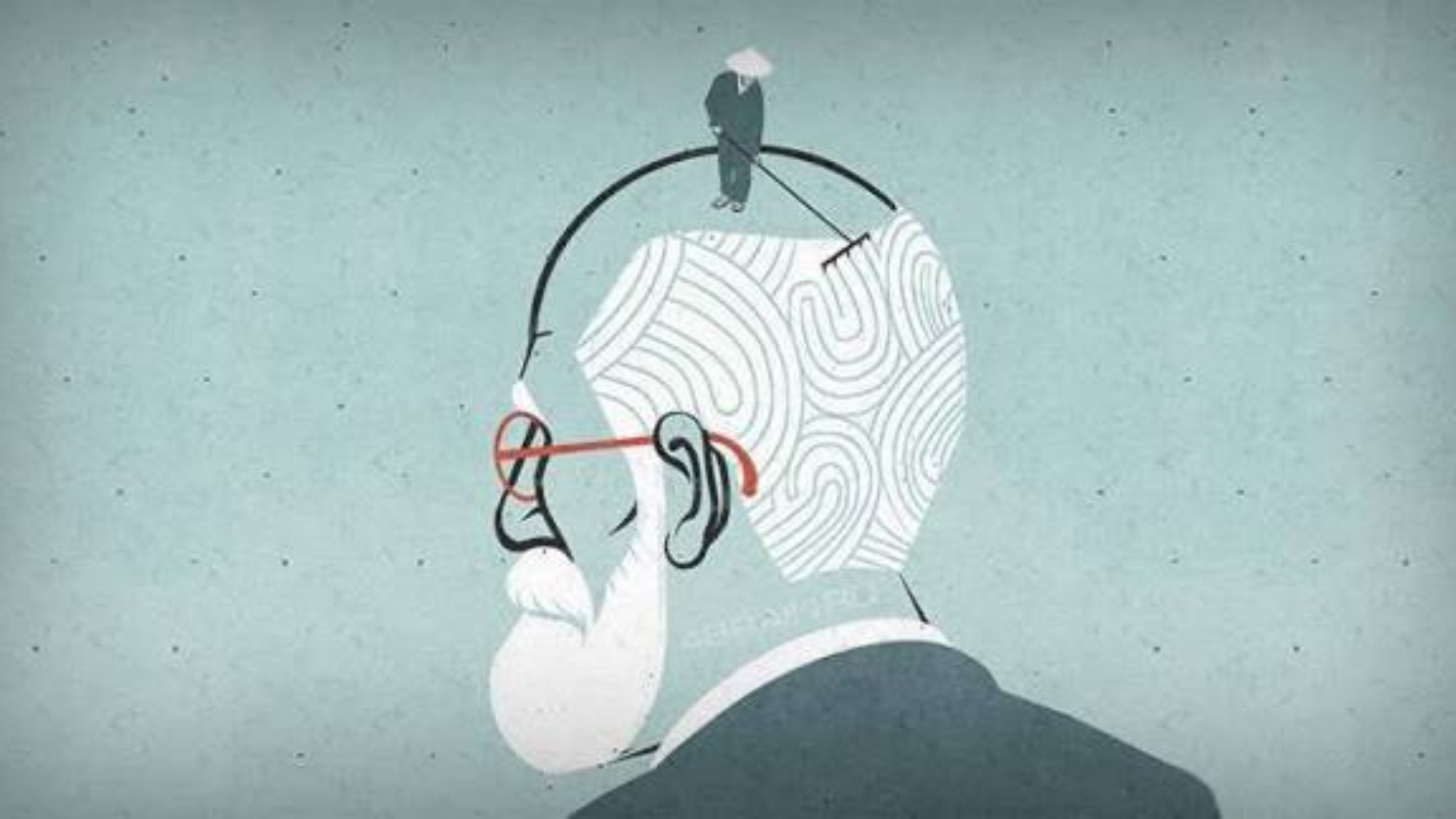
Modern psychotherapy increasingly prioritizes rapid results and work with surface-level symptoms. At MindCareCenter, however, we maintain a focus on the deeper processes that shape psychological functioning. In the opinion of Dr. Daniel Reinhardt, without engaging the unconscious, it is impossible to understand why the same internal conflicts and life scenarios are repeated again and again, despite conscious efforts to change them.
Unconscious processes do not reveal themselves directly, but through repetition – in relationships, emotional reactions, partner choices, and habitual ways of managing tension. An individual may rationally recognize the destructiveness of these patterns, yet continue to reproduce them. Within the clinical approach of MindCareCenter, such repetitions are understood as the language of the psyche, through which unprocessed experience seeks expression and integration.
Psychoanalytic work aims to bring into awareness those internal conflicts that remain hidden from consciousness. At MindCareCenter, we explore how early experiences, repressed emotions, and internal prohibitions continue to influence present behavior. This process requires time, as the unconscious resists direct access and emerges indirectly – through images, associations, and emotional shifts.
Repetition in psychoanalysis is not viewed as a failure or limitation of therapy. On the contrary, in the practice of MindCareCenter, repetition becomes central clinical material. Through the analysis of recurring situations, their underlying meaning and psychological function gradually unfold. This makes it possible to move beyond automatic reenactment and open space for choice.
Internal conflicts are often sustained by rigid defensive mechanisms. One part of the personality may strive for change, while another preserves familiar – even painful – modes of existence. At MindCareCenter, we work with this tension carefully, without dismantling defenses prematurely, allowing them to lose their necessity as internal awareness grows.
Importantly, psychoanalysis in contemporary therapy is not detached from lived reality. At MindCareCenter, depth-oriented work is integrated with attention to current emotional experiences, bodily responses, and ongoing relationships. This integration allows unconscious dynamics to be linked to concrete life situations, making therapeutic change more stable and applicable.
Gradually, individuals develop the capacity to recognize inner movements – desires, fears, impulses – before they crystallize into repetitive scenarios. In the clinical practice of MindCareCenter, we observe how this reduces internal tension and expands the range of possible responses beyond habitual automatism.
Psychoanalysis also supports the restoration of psychological coherence. Fragmented aspects of inner life begin to enter into dialogue, and repressed experiences find a place in awareness without overwhelming the psyche. This transformation affects not only symptoms, but the overall sense of self.
The psychoanalytic approach allows work not with isolated symptoms, but with their underlying sources. The clinical model of Mind Care Center is oriented toward deep change, in which internal conflicts no longer require repetition and unconscious processes become more integrated and accessible to awareness.
Such an approach does not promise quick solutions, but it creates conditions for lasting transformation. Working with the unconscious restores the possibility of living not according to repetitive scripts, but in freer and more meaningful contact with oneself.
Previously, we wrote about obsessiveness as a form of internal control and MindCareCenter clinical practice in working with obsessive states