
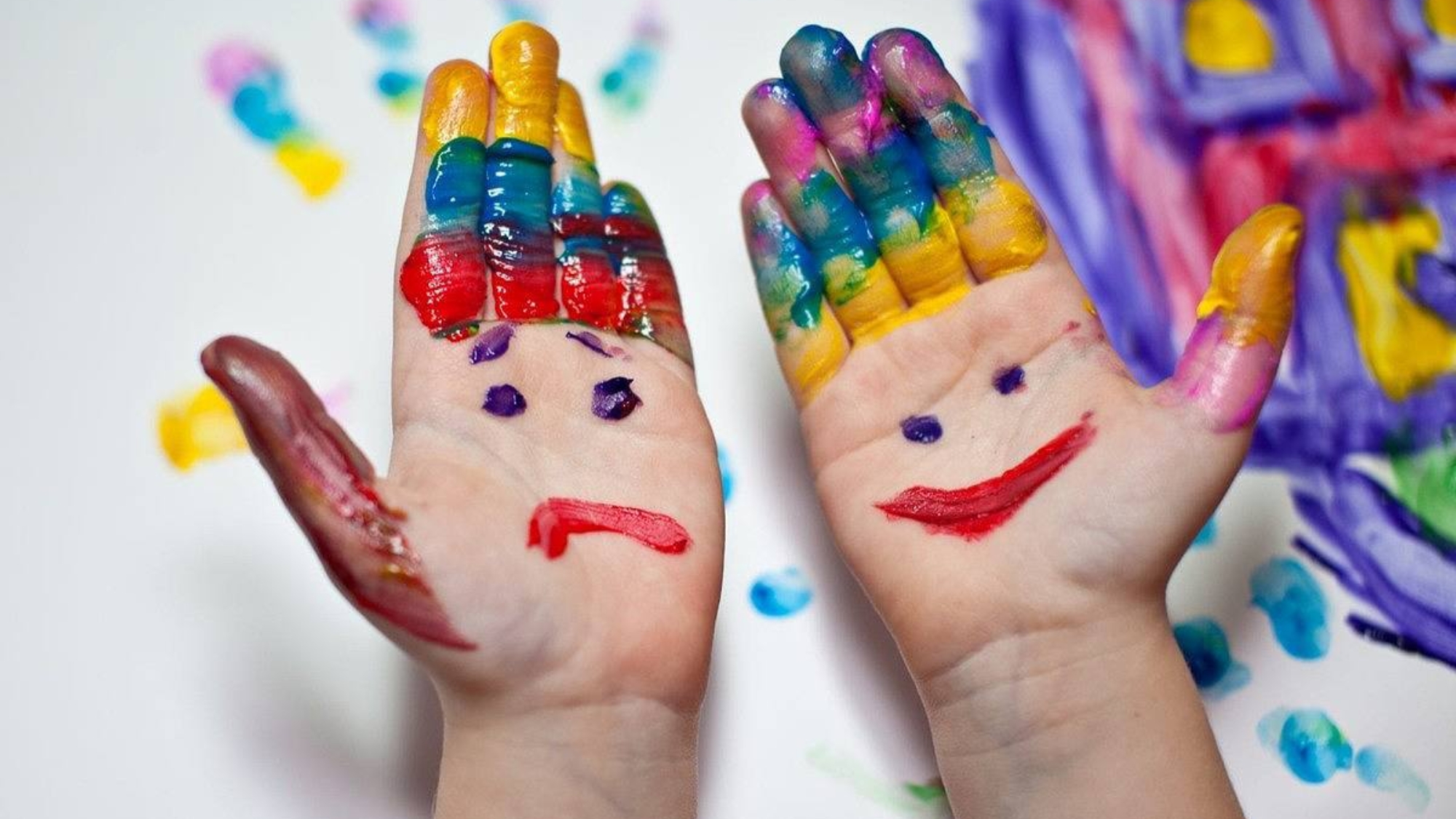
Working with a child’s psyche requires particular precision and care – especially in cases where the child’s ability to verbalize inner experiences is disrupted. Dr. Daniel Reinhardt emphasizes that children’s experiences are often encoded not in words, but in images, bodily reactions, and affective states. For this reason, in the clinical practice of MindCareCenter, art therapy holds an essential place within the psychorehabilitation system for children with emotional and neuropsychological disorders, allowing therapeutic contact where language is still inaccessible or creates additional tension.
According to MindCareCenter specialists, when the nervous system develops under conditions of trauma, chronic overload, or congenital vulnerabilities, the capacity for symbolization may remain fragmented. In such situations, art therapy becomes a safe pathway into the child’s inner world, bypassing direct verbalization, which can otherwise intensify anxiety or resistance.
At MindCareCenter, art therapy is not viewed as a secondary or purely developmental method. It is fully integrated into the clinical process and used as a complete therapeutic tool. Through drawing, sculpting, and working with form and color, children gain the opportunity to express experiences that would otherwise remain unconscious, suppressed, or manifest through symptoms.
Art therapy plays a particularly significant role in cases involving neuropsychological impairment. When self-regulation is reduced, attention is unstable, or sensory processing is disrupted, verbal psychotherapy alone is often insufficient. In these cases, the art-therapeutic space at MindCareCenter helps reduce levels of arousal, stabilize the emotional background, and gradually build inner structure.
Our specialists note that creative processes reveal not only emotions, but also patterns of self-regulation. Movement rhythm, material choice, and interaction with space become clinically meaningful indicators. Art therapy allows therapists to observe how a child copes with frustration, limitation, error, and impulsivity.
At MindCareCenter, work with children is always tailored to developmental and neuropsychological characteristics. Art therapy is used not to achieve an aesthetic outcome, but to foster a sense of safety, control, and subjective authorship. The child begins to feel capable of influencing what is happening – of creating and transforming – which is particularly vital when experiencing helplessness, anxiety, or loss of internal support.
Gradually, art therapy supports the development of symbolization. Experiences that previously emerged through behavior, somatic symptoms, or emotional outbursts begin to acquire form. In MindCareCenter, we observe how this process reduces symptom intensity and promotes the integration of emotional experience.
Special attention is given to embedding art therapy within interdisciplinary collaboration. Psychotherapists, neuropsychologists, and child specialists at MindCareCenter coordinate their approaches, supporting the child across multiple levels of functioning. This allows for a sustained rehabilitation process rather than fragmented intervention.
It is important to understand that art therapy does not replace other forms of treatment, but rather creates the foundation for further psychotherapeutic work. In the clinical practice of Mind Care Center, it helps children gradually move from action to awareness, from image to word, and from chaotic experience to inner coherence.
Previously, we wrote about how MindCareCenter supports hidden forms of emotional dysregulation