
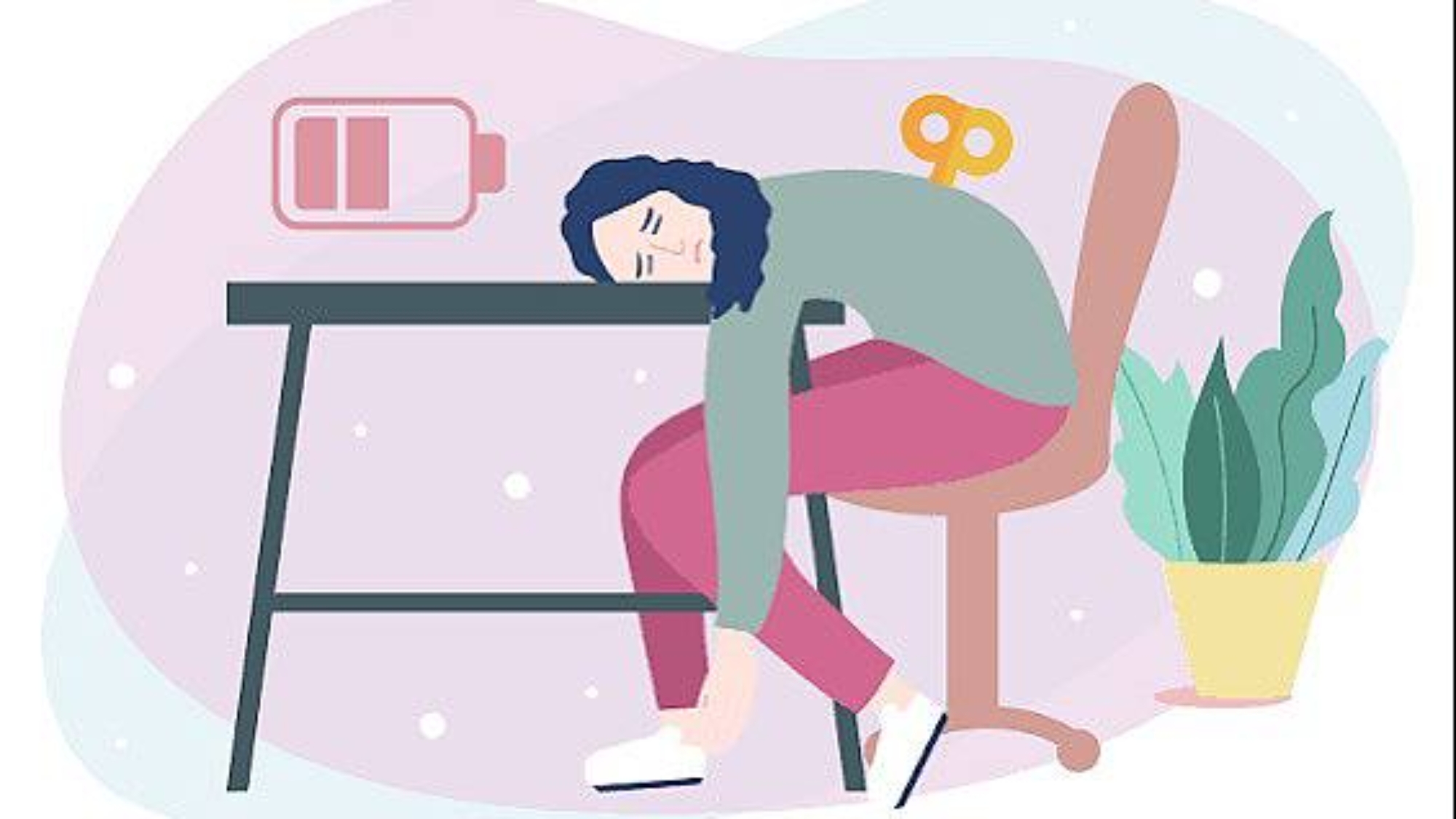
Being strong for a long time often looks like a virtue – such people cope, do not complain, take responsibility, and never allow themselves to “fall apart.” Yet behind this outward resilience there is often deep emotional exhaustion. At MindCareCenter, we regularly work with states where strength stops being a resource and turns into a source of inner wear. Doctor Daniel Reinhardt emphasizes – the role of constant resilience is often formed as a survival strategy rather than a conscious choice.
A person who is used to being strong rarely notices the moment when their resources run out. They continue functioning – completing tasks – supporting others – ignoring signals of fatigue. Emotions are pushed into the background, the body lives in a state of tension, and inner life gradually narrows. At MindCareCenter, we see that this is not an absence of feelings, but a prohibition against weakness and dependence.
Very often, the role of “the strong one” is закрепed early in life – when there was no adult support to rely on – when emotions were not welcomed – when vulnerability did not receive a response. In Doctor Reinhardt’s view, under such conditions the psyche learns to survive through control and self-restraint. Over time, this strategy becomes part of identity – letting go of it feels dangerous.
Therapeutic work at MindCareCenter does not begin with “stop being strong,” but with restoring contact with one’s inner state. We help clients notice where resilience no longer supports them but drains them – where the habit of holding on replaces living experience – where self-care is substituted by the obligation to cope. This requires a gentle pace and deep respect for protective mechanisms.
Gradually, at MindCareCenter, space appears for other states – fatigue – confusion – the need for support. Our psychologists help explore these experiences safely, without a sense of collapse or loss of control. Strength stops being the only acceptable position, and the inner world becomes more flexible and alive.
Special attention is given to bodily signals. Long-term “being strong” is almost always accompanied by chronic tension – sleep disturbances – a sense of emptiness. When a person begins to listen to the body, it becomes possible to pause and recover in time, rather than pushing oneself to the limit.
Over time, at MindCareCenter, we observe an important shift – resilience becomes less rigid. A person retains the ability to cope, but no longer at the cost of suppressing themselves. Choice appears – to be strong where it is truly needed, and to allow support where resources are depleted.
If you recognize yourself in the constant need to hold on – if fatigue has become a background state – and rest no longer brings relief – this is not a sign of weakness. It is a signal that the inner system is overloaded. At Mind Care Center, we help people step out of the role of constant resilience in an ecological way – restoring the right to be alive, feeling, and supported.
Previously, we wrote about how Inner Dialogues and Psychological Conflicts – How MindCareCenter Helps Restore Contact with the Inner World