
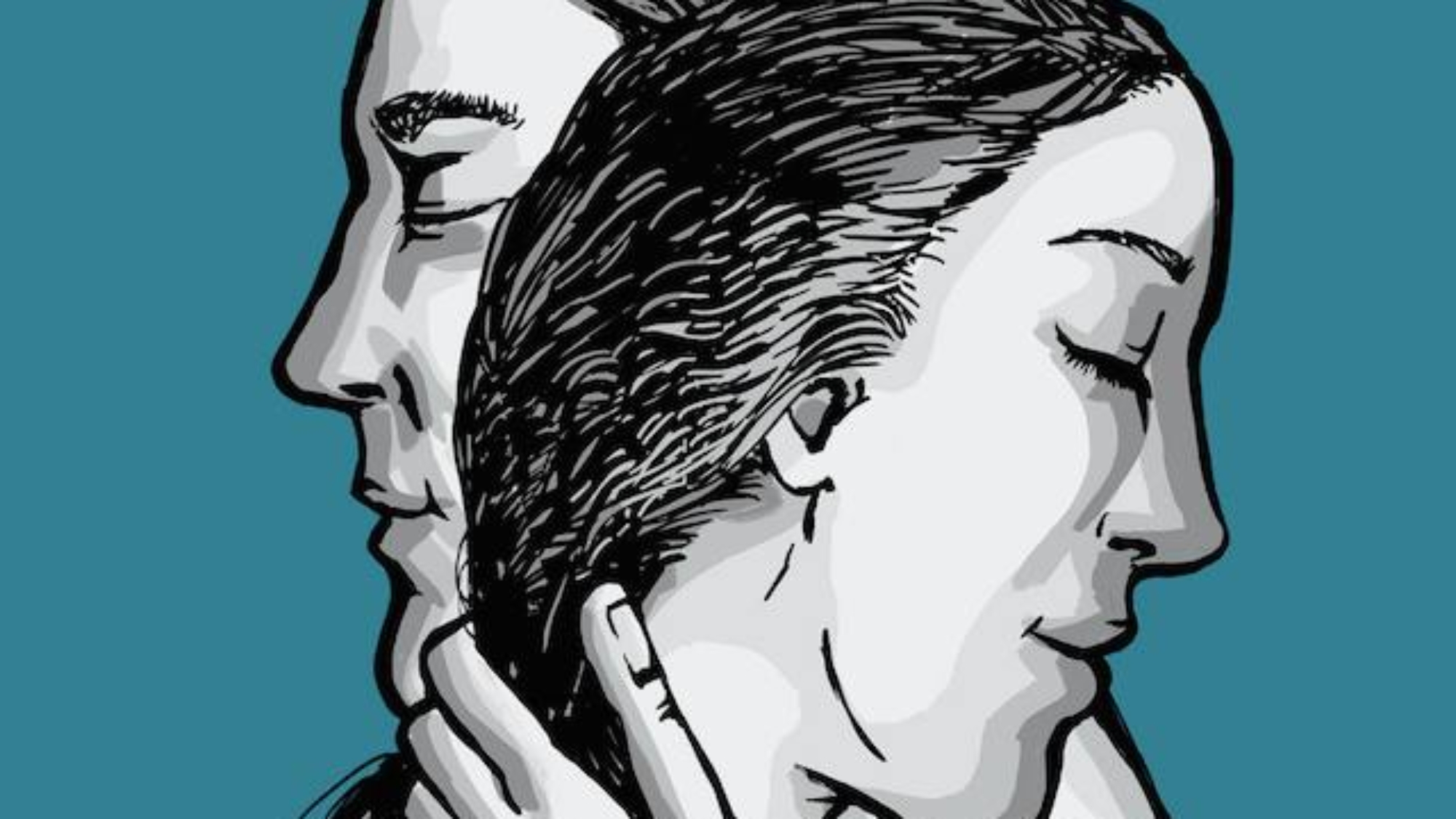
Closeness in relationships brings a sense of warmth, support and significance – yet sometimes it quietly turns into a source of anxiety and self-loss. Dr. Daniel Reinhardt says – the difference between healthy attachment and dependence lies not in the intensity of feelings, but in whether a person still has inner support outside the relationship. At MindCareCenter, we help reveal where the contact between two individuals ends and where the dissolution of one into the other begins.
At MindCareCenter, people often come for whom relationships become the center of life. Their mood fully depends on the partner – on their words, attention, reactions and emotional state. Any distance is experienced as a threat, any disagreement as a risk of loss. A person may give up their own desires, interests and boundaries – just to preserve the connection. From the outside, this looks like strong love, yet inside there is often constant tension and fear of being abandoned.
Specialists at MindCareCenter view dependent attachment not as a “weak character” trait, but as the result of a specific emotional experience. Often behind it stands a history where closeness was unstable – where love had to be earned, where warmth alternated with rejection, where safety depended on behavior. In such conditions, connection with another person begins to be perceived as the only source of stability, while solitude feels like a threat to survival.
Gradually, at MindCareCenter, a person begins to notice how they lose contact with themselves within relationships. They learn to differentiate where their feelings arise from genuine closeness and where they come from the fear of being alone. The right to one’s own boundaries, needs and “no” slowly returns. This is not an easy process – because together with independence, anxiety about loss often emerges. Yet it is precisely here that the path from dependence to mature attachment begins.
At MindCareCenter, much of the work is focused on restoring inner support. When a person begins to feel stable and valuable outside of relationships, a partner stops being a “survival structure.” Closeness ceases to be a means of survival and becomes a conscious choice. Relationships begin to be built not on the fear of losing, but on the desire to be with one another – without self-sacrifice and self-dissolution.
Healthy attachment, in the understanding of MindCareCenter, is not the absence of fear, but the ability to be with another person without losing oneself. It is a connection in which it is possible to be different, to disagree, to distance and to return without inner collapse. When a person no longer clings to relationships as the sole source of life, love stops being painful and becomes supportive.
If you feel that relationships have taken away your sense of self, that anxiety is stronger than joy, that fear of loss controls your decisions – this does not mean you are “too dependent” by nature. It means that there is a lack of inner support and safety inside. At Mind Care Center, we help restore this support so that closeness stops being a danger zone and becomes a space of living, stable contact between two mature individuals.
Previously, we wrote about how parenthood without guilt helps reduce anxiety, expectations, and parental overload — and how MindCareCenter supports parents in this process.