
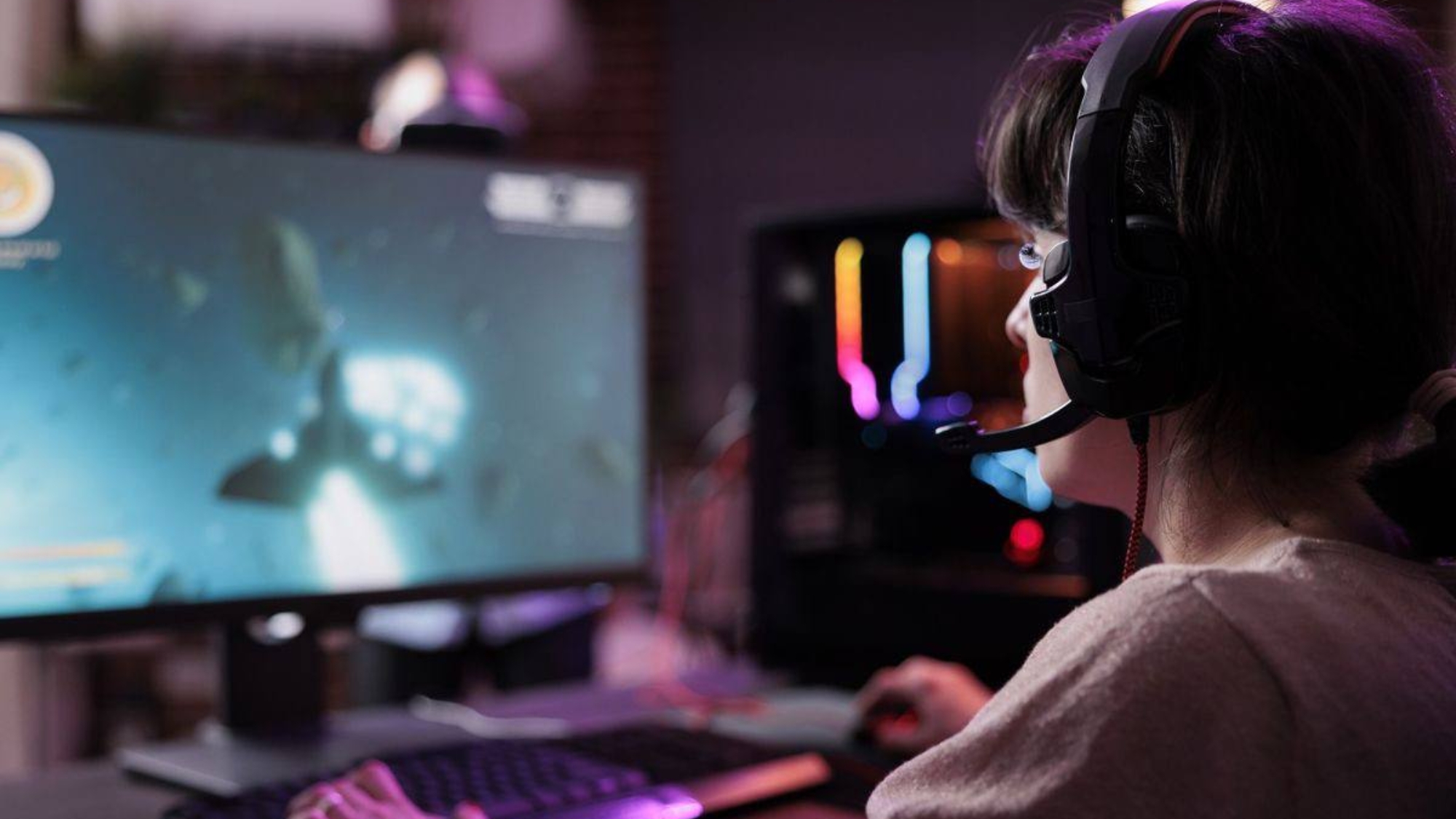
At MindCareCenter, we increasingly encounter situations where a teenager’s ordinary interest in games gradually turns into a form of addiction. As Dr. Daniel Reinhardt emphasizes, the digital environment creates a tempting alternative reality where emotions feel stronger, achievements faster and more accessible, and the sense of control more immediate than in everyday life. This is why the risk of losing balance is especially high for adolescents.
Gaming addiction forms gradually. The brain receives quick rewards – levels, victories, bonuses – and begins to perceive the game as the primary source of pleasure. Real-life activities stop bringing satisfaction, motivation decreases, and attention shifts entirely into the virtual world. At MindCareCenter, we explain to parents that addiction is not a sign of weakness – it is an attempt to meet emotional needs the child has not yet learned to express in healthier ways.
It is important to notice the early signs: irritability when access to games is limited, loss of interest in previous hobbies, declining academic performance, social withdrawal, and constant thoughts about when they can play again. At this stage, criticism or pressure only deepen the distance between the teenager and real life. A far more effective approach is calm dialogue and an attempt to understand what exactly the teenager seeks in games: recognition, emotions, competition, or a sense of importance.
The MindCareCenter approach is built on comprehensive support. We help teenagers restore emotional balance and rediscover interest in real activities, guide parents in setting healthy boundaries, and create an individualized plan that fits the needs of the whole family. Special attention is given to emotional regulation skills, developing resilience, and finding alternative sources of pleasure, so the gaming world stops being the only place where the teenager feels safe or successful.
Gaming addiction is not a verdict – it is a state that can be changed with the right support. At Mind Care Center, we help adolescents gradually return to a reality where freedom, curiosity, and healthy emotions have space to grow.
Previously we wrote about The mask effect: how we hide emotions and what it costs us