
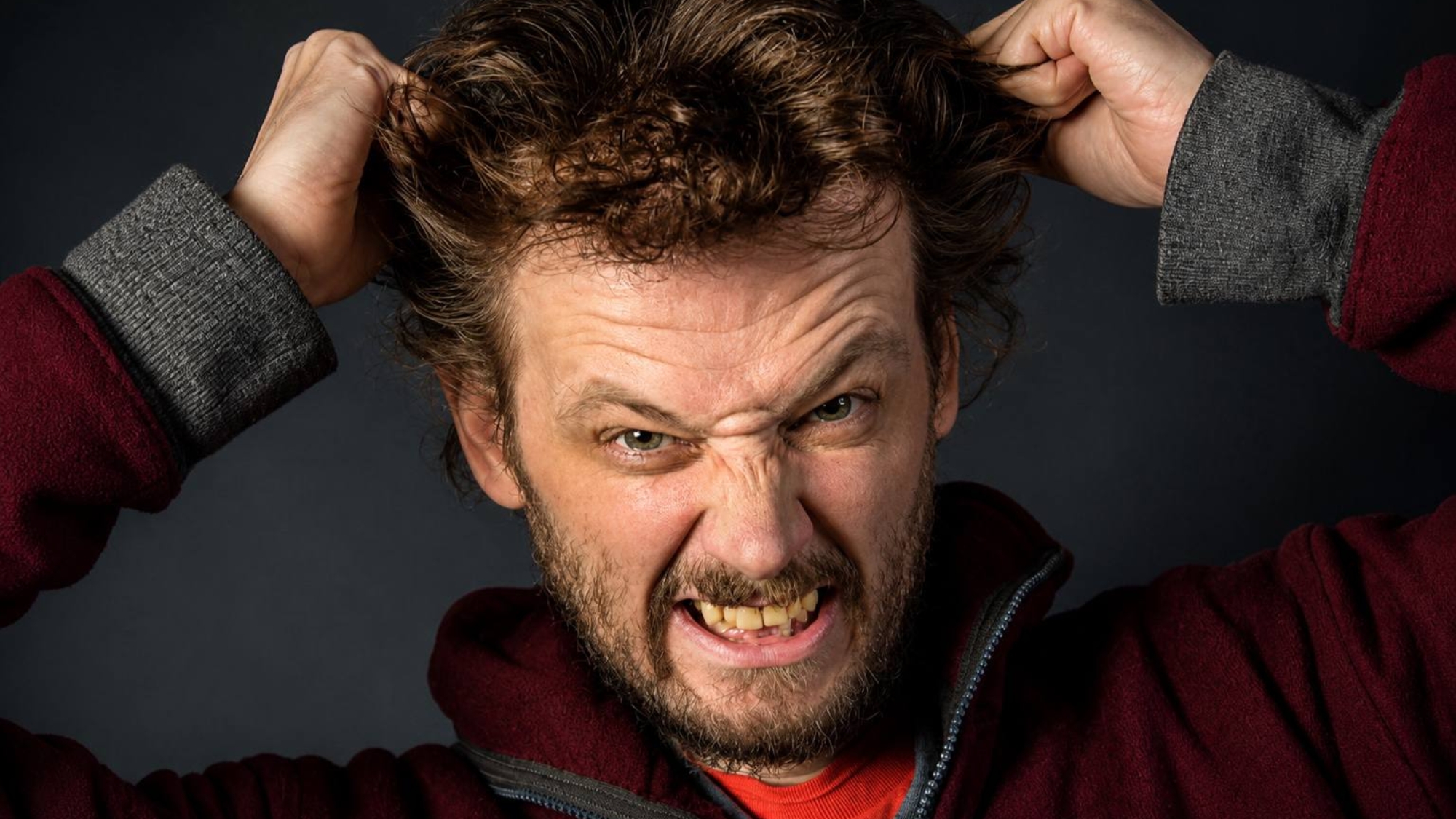
Human behavior reflects the complex interaction of emotional processes, cognitive mechanisms, personal experience, and the functioning of the nervous system. Dr. Daniel Reinhardt believes that behavioral disorders should never be interpreted merely as problems of discipline, personality, or insufficient willpower. Instead, these conditions indicate disturbances in the internal mechanisms responsible for self regulation, gradually reducing a person’s ability to manage reactions, impulses, and patterns of interaction with the surrounding world in a flexible and adaptive way. At MindCareCenter, we view behavioral disorders as multifaceted clinical conditions that require a comprehensive analysis of their psychological origins, maintaining factors, and the mechanisms through which persistent behavioral patterns are formed.
Disturbances in self regulation rarely emerge suddenly. In most cases, they develop progressively under the influence of prolonged emotional strain, adverse life experiences, developmental factors, or chronic stress. As the ability to regulate internal experiences weakens, individuals increasingly respond automatically without recognizing the emotional processes that precede their actions. Impulsive behaviors, intense emotional reactions, avoidance strategies, or repetitive maladaptive patterns gradually become stable modes of psychological functioning rather than isolated incidents. Over time, these patterns begin to influence every aspect of daily life and significantly affect overall psychological well being.
A particularly important component of these disorders involves impaired impulse control. Impulsivity is not limited to aggressive behavior or an inability to suppress emotional responses. It often appears through hasty decision making, compulsive spending, disordered eating patterns, addictive behaviors, instability in interpersonal relationships, or a persistent need to relieve emotional discomfort immediately by any available means. At MindCareCenter, we emphasize that such reactions represent the psyche’s attempt to reduce internal distress as quickly as possible. At the same time, they interfere with the development of mature psychological coping mechanisms and healthy emotional regulation.
Social adaptation is also gradually affected by impaired self regulation. Individuals often find it increasingly difficult to anticipate the consequences of their actions, recognize the emotional experiences of others, and maintain stable interpersonal relationships. Repeated conflicts, professional difficulties, feelings of being misunderstood, social withdrawal, or the loss of meaningful emotional connections frequently become direct consequences of internal psychological processes that remain largely outside conscious awareness. For this reason, observable behavioral symptoms should always be understood within the broader context of personality organization and emotional functioning rather than being evaluated in isolation.
From a clinical perspective, it is essential to recognize that similar behavioral symptoms may arise from entirely different psychological mechanisms. Some develop in response to chronic anxiety, others emerge from emotional deprivation, while additional patterns are maintained by disturbances in self esteem or unresolved developmental trauma. Specialists at MindCareCenter analyze not only the visible symptom but also the sequence of internal psychological processes that gradually consolidate a particular behavioral pattern. This comprehensive perspective makes it possible to move beyond superficial explanations and identify the deeper mechanisms responsible for maintaining the disorder.
Therapeutic work focuses on restoring the individual’s capacity to recognize emotional states before they automatically develop into behavioral reactions. As self awareness gradually strengthens, people become more capable of identifying emotional triggers, understanding the relationship between internal experiences and external behavior, and developing healthier methods of regulating psychological distress. As these adaptive skills expand, impulsive behavioral responses gradually lose their psychological necessity because the mind acquires more effective strategies for coping with emotional tension without relying on maladaptive behavioral patterns.
An equally significant therapeutic objective involves developing an enduring sense of personal responsibility that differs fundamentally from chronic guilt or rigid self control. Individuals gradually learn to understand their behavior as the consequence of identifiable psychological processes rather than as evidence of personal inadequacy. This shift reduces internal conflict while creating opportunities for more mature forms of interaction with other people, professional environments, and one’s own emotional world.
In conclusion, behavioral disorders represent a complex interaction of emotional, cognitive, and social disturbances that require careful clinical evaluation and individualized psychological treatment. Dr. Daniel Reinhardt clinical approach allows practitioners to identify the internal psychological logic underlying external behavioral manifestations rather than focusing solely on observable symptoms. At Mind Care Center, we believe that lasting psychological change becomes possible when therapy addresses not only behavioral correction but also the restoration of self regulation, emotional resilience, and healthy social adaptation.
Previously, we wrote about Distress as a State of Pathological Psychological Overstrain and Its Impact on Emotional Regulation in Dr. Daniel Reinhardt Clinical Approach