
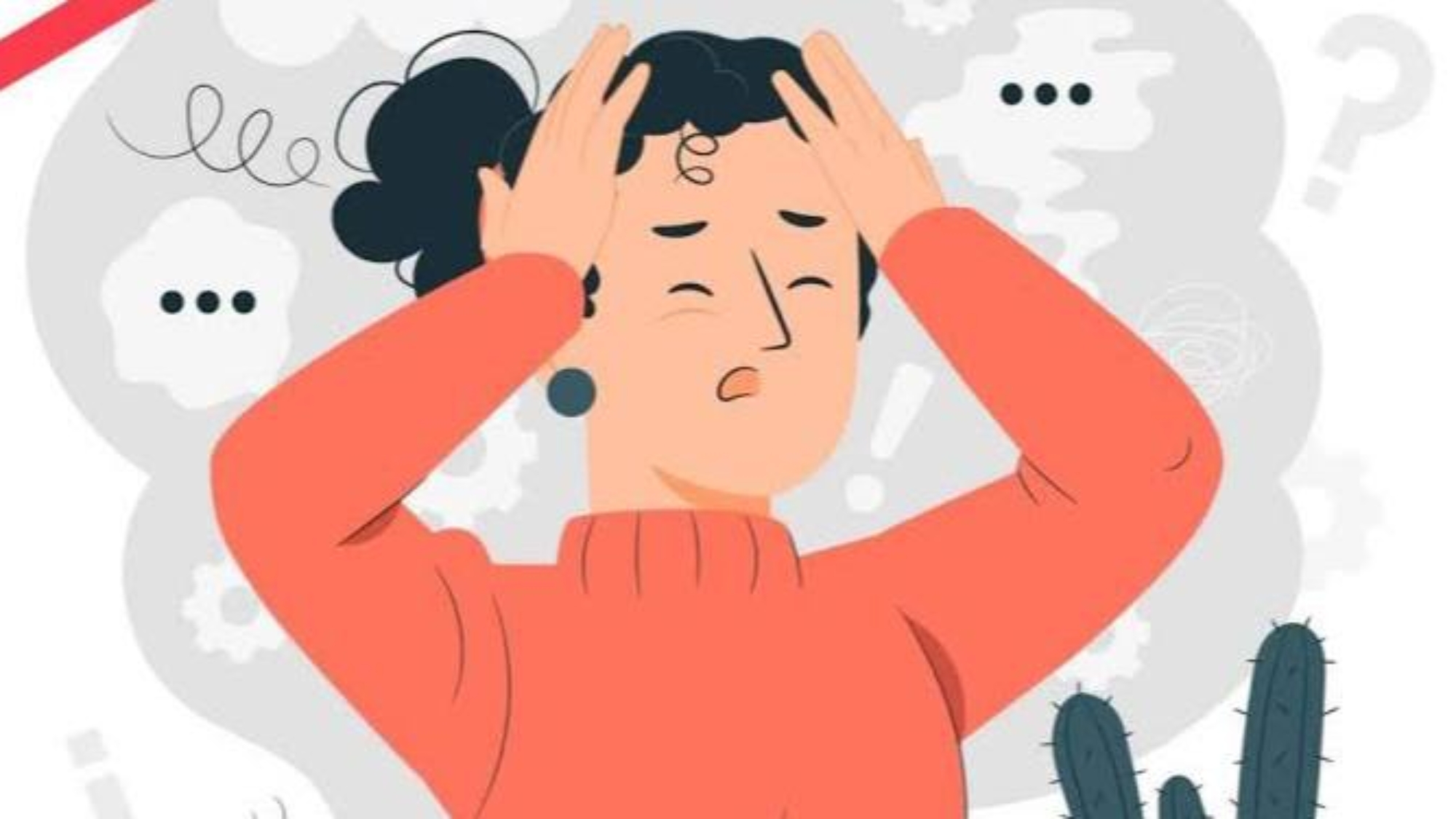
Chronic stress cannot be viewed as ordinary tension that disappears after a short period of rest. Dr. Daniel Reinhardt emphasizes that prolonged stress gradually changes not only a person’s emotional state but also the very way the brain, body, and psyche function. At MindCareCenter, we view chronic stress as a state of persistent internal mobilization in which the nervous system remains in threat mode for too long and gradually loses its ability to return to полноценное восстановление.
At the early stage, a person often does not notice the depth of these changes. They may continue working, fulfilling family responsibilities, making decisions, and maintaining external order, while internally the regulatory systems are already becoming exhausted. The brain begins scanning the environment more frequently for signs of danger, attention becomes more fragmented, reactions to ordinary stimuli intensify, and the ability to calmly analyze situations declines. Over time, this creates the feeling that a person is living not from inner stability but from constant readiness for the next blow.
Emotional regulation becomes especially vulnerable under chronic stress. Situations that previously felt manageable, such as difficult conversations, uncertainty, or everyday challenges, may begin to trigger irritability, anxiety, emotional outbursts, or a sense of emotional numbness. The psyche starts conserving energy, which causes some feelings to become suppressed while others grow excessively intense. At MindCareCenter, we note that such reactions are not signs of personal weakness but reflections of an overloaded system that has been functioning too long without adequate recovery.
Stress also significantly affects the body. Prolonged tension may manifest through muscle tightness, sleep disturbances, fatigue, headaches, appetite changes, physical discomfort, and increased sensitivity to bodily signals. It is essential to understand that the psychological and physical systems do not exist separately. When the nervous system remains in a prolonged state of threat, the body continues operating in mobilization mode even when the actual danger no longer exists. Dr. Reinhardt emphasizes that the destructive power of chronic stress often lies precisely in this gap between external reality and internal reaction.
Clinical understanding of stress also requires attention to how it reshapes thinking. A person begins to perceive the future more as a source of risk, their own capabilities as insufficient, and neutral events as potentially dangerous. Perspective narrows, and the psyche gradually chooses survival over growth. MindCareCenter analyzes this process as the formation of an anxious cognitive pattern in which the brain becomes conditioned to expect tension even during relatively calm periods.
The effect of chronic stress on relationships is equally important. An emotionally depleted person struggles more with closeness, reacts more strongly to criticism, finds it harder to ask for help, and more often shifts into defensive behavior. They may become more withdrawn, sharp, suspicious, or emotionally unavailable. Meanwhile, others often see only behavioral changes without understanding the deep nervous system overload behind them. This is why therapeutic analysis must consider not only symptoms but also the entire life context in which stress has accumulated over time.
Professional work with chronic stress is not limited to simply advising someone to rest more. Rest is important, but it does not always restore the system if the person continues living within the same internal beliefs, fears, obligations, and patterns of self pressure. At Mind Care Center, we emphasize that therapy focuses on restoring emotional regulation, reexamining sources of overload, strengthening internal boundaries, and rebuilding the psyche’s ability to distinguish between real danger and habitual tension.
Deep recovery begins when a person stops perceiving chronic stress as a normal background state of life. The psyche needs not only reduced external pressure but also a new way of relating to oneself, the body, emotions, and personal limits. When the brain once again experiences safety, the body gradually exits the state of constant mobilization, and inner stability begins to return. This is how working through chronic stress becomes not merely short term relief but a profound process of restoring wholeness, clarity, and the ability to live without constant internal pressure.
Previously, we wrote about Dr. Daniel Reinhardt on the disruption of the ability to experience inner calm after a prolonged period of psychological instability