
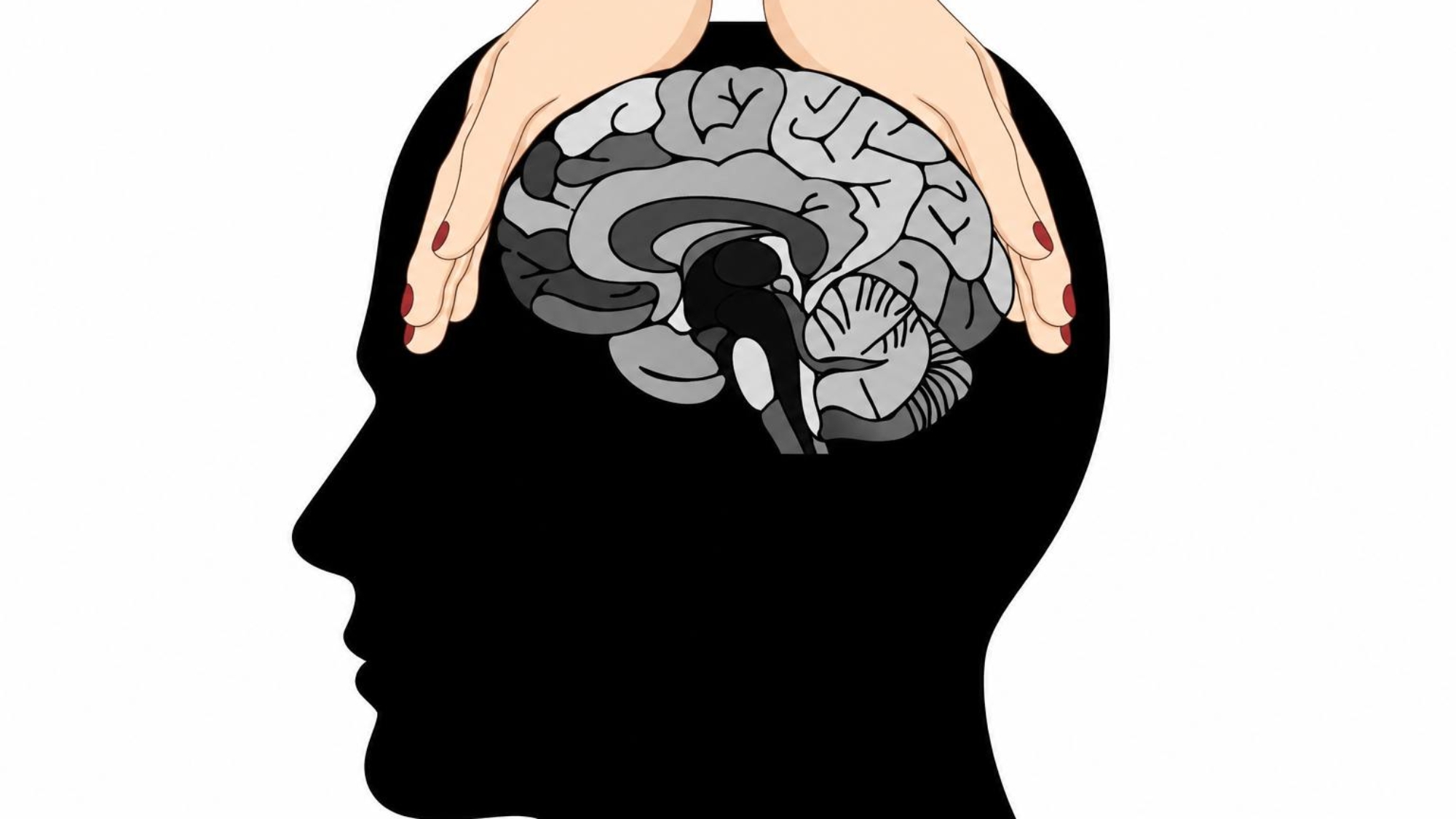
Within the internal architecture of personality, one of the most complex and simultaneously underestimated phenomena is the state of incongruence, in which the externally demonstrated image of a person no longer corresponds to their authentic emotional experience. Dr. Daniel Reinhardt believes that such a split rarely emerges suddenly, as it most often develops as a long term adaptive strategy of the psyche aimed at preserving psychological survival in environments where sincere emotional expression was perceived as dangerous or unacceptable. At MindCareCenter, we regard incongruence as a clinically significant marker of internal fragmentation capable of gradually undermining the emotional stability of the personality.
At the level of everyday behavior, incongruence may appear socially acceptable and even highly functional. A person smiles, maintains conversations, demonstrates calmness, productivity, and emotional control, while internally experiencing anxiety, emotional suppression, irritation, or profound inner emptiness. This mismatch between inner experience and external presentation creates constant psychological tension because the individual must simultaneously contain real emotions and regulate how they are expressed. This dual process consumes an enormous amount of psychological energy.
The particular complexity of incongruence lies in the fact that over time it stops feeling foreign to the person. Prolonged existence in a state of emotional discrepancy gradually leads to a reduced ability to accurately recognize one’s own internal states. A person may eventually stop distinguishing between authentic emotion and automatic social response. At MindCareCenter, we observe that this is often the stage at which deep alienation from one’s internal world develops, causing a person to orient more toward external expectations than toward the signals of their own psyche.
Clinical analysis shows that incongruence is often rooted in early experiences of conditional acceptance. If, during childhood, love, approval, or emotional safety depended on correct behavior, convenience, or strict emotional control, the psyche may internalize a critical rule stating that genuine feelings must be hidden in order to preserve connection. Dr. Reinhardt emphasizes that under such conditions, not merely a defense mechanism but an entire personality organization is formed, in which the external identity becomes a tool of adaptation rather than a reflection of the authentic self.
The psychological consequences of such an internal split rarely remain limited to emotional fatigue alone. Incongruence gradually affects relationship quality, self perception, and the capacity for deep intimacy. When a person is chronically absent from contact with their authentic self, relationships inevitably become filtered through roles rather than genuine presence. This often creates a persistent sense of being misunderstood even among close people. MindCareCenter analyzes such conditions as the result of long term disruption between emotional experience and conscious identity.
Therapeutic work with incongruence requires high clinical precision because the task is not limited to reducing symptoms of anxiety or emotional exhaustion. Far more essential is restoring the person’s capacity to safely encounter their own emotions without automatically retreating into a familiar mask. This involves gradually returning to emotional truth, developing tolerance for vulnerability, and building a new internal stability in which authenticity is no longer perceived as threatening.
From a clinical perspective, a mature personality does not need to express every feeling externally, yet it preserves internal coherence between what is experienced and what is consciously recognized. This coherence creates the foundation of psychological integrity. At Mind Care Center, we emphasize that genuine resilience is born not from perfect self control but from the ability to remain connected with oneself even under emotionally challenging conditions.
True recovery begins at the moment when a person no longer needs to constantly maintain an artificial identity in order to feel safe. The disappearance of this internal split restores psychological energy, clarity, and emotional depth. It is precisely through overcoming incongruence that personality moves from chronic self suppression toward a state of internal wholeness, where external life becomes a natural continuation of authentic inner experience.
Previously, we wrote about Stories of Deep Internal Transformation After Psychotherapy in the Understanding of MindCareCenter Specialists