
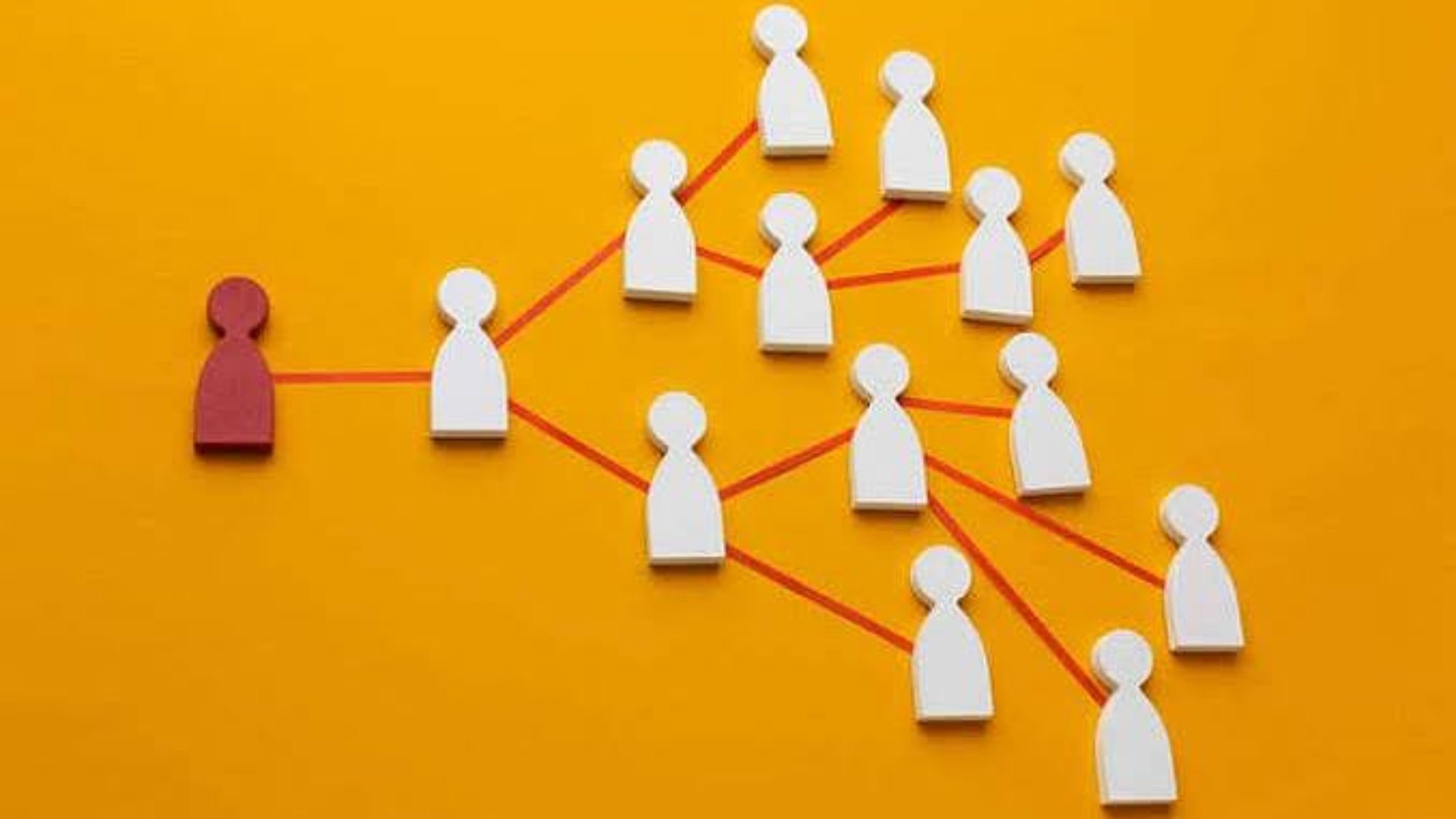
When several people come together within a shared space of interaction, a complex psychological system begins to form between them that extends far beyond the sum of each individual’s characteristics. Dr. Daniel Reinhardt notes that group dynamics represent a living process of continuous redistribution of emotional influence, roles, expectations, and hidden tensions within a collective. At MindCareCenter, we view a group not as a neutral communication environment but as a full psychological field capable of strengthening both a person’s inner stability and their hidden conflicts.
At the level of deep processes, any group gradually develops its own informal structure. Even when roles are not explicitly discussed, participants unconsciously take on specific positions. One person becomes a leader, another assumes the function of stabilizer, while someone else becomes the carrier of anxiety, aggression, or tension that the group avoids consciously acknowledging. Such distribution is rarely accidental, since the collective often unconsciously uses individual members to express emotions that are difficult for the entire system to tolerate.
Of particular importance is the way emotional states spread within a group. The tension of one person can quickly become the shared emotional background of interaction, even if no one openly speaks about anxiety or irritation. Emotions within a collective are transmitted not only through words but also through micro reactions, speech tempo, nonverbal signals, and the general sense of psychological safety. At MindCareCenter, we note that group environments possess a strong capacity for emotional contagion, which is why hidden processes within the collective often exert greater influence than formal communication rules.
It is equally important to understand that group dynamics can activate early personality patterns. A person may unexpectedly begin reacting to colleagues, partners, or members of a therapeutic group in the same way they once reacted to parents or other significant figures from childhood. Old adaptation mechanisms, fear of rejection, the need to earn acceptance, or avoidance of conflict become reactivated in a new context and begin shaping behavior. Dr. Reinhardt emphasizes that deep attachment patterns, control mechanisms, and emotional dependency become especially visible within group settings.
Internal collective tension intensifies when important emotions are pushed out of shared awareness. Unprocessed aggression, competition, envy, fear of failure, or unconscious struggles for recognition begin manifesting through indirect forms of behavior. This may appear as passive resistance, formation of alliances, emotional distancing, or hidden conflicts. MindCareCenter analyzes such processes as indicators of systemic tension rather than as isolated personal problems of individual participants.
From a clinical perspective, it is especially important to distinguish between the external adaptation of a group and its actual psychological condition. A collective may appear functional, organized, and stable while internally maintaining a high level of suppressed tension. External coordination does not always indicate genuine psychological safety. In some cases, excessive smoothness in interaction signals strong emotional repression and fear of disrupting fragile equilibrium.
Special attention should also be given to the therapeutic value of group processes. In a properly structured environment, the group becomes a powerful instrument for recognizing personal patterns because individuals begin seeing their ways of relating through the responses of others. At Mind Care Center, we believe that group work creates unique conditions for exploring unconscious roles, emotional defenses, and recurring interpersonal scenarios that may remain less visible in individual therapy.
True understanding of group dynamics begins when a collective is no longer perceived as a random gathering of people and starts being recognized as a living psychological system. At that point, it becomes clear that roles, tension, and emotional influence shape not only the quality of interaction but also the depth of personal transformation for every participant. Awareness of these processes opens the path toward more mature contact, more stable relationships, and more integrated psychological functioning.
Previously, we wrote about The Paradox of Resistance to Change