
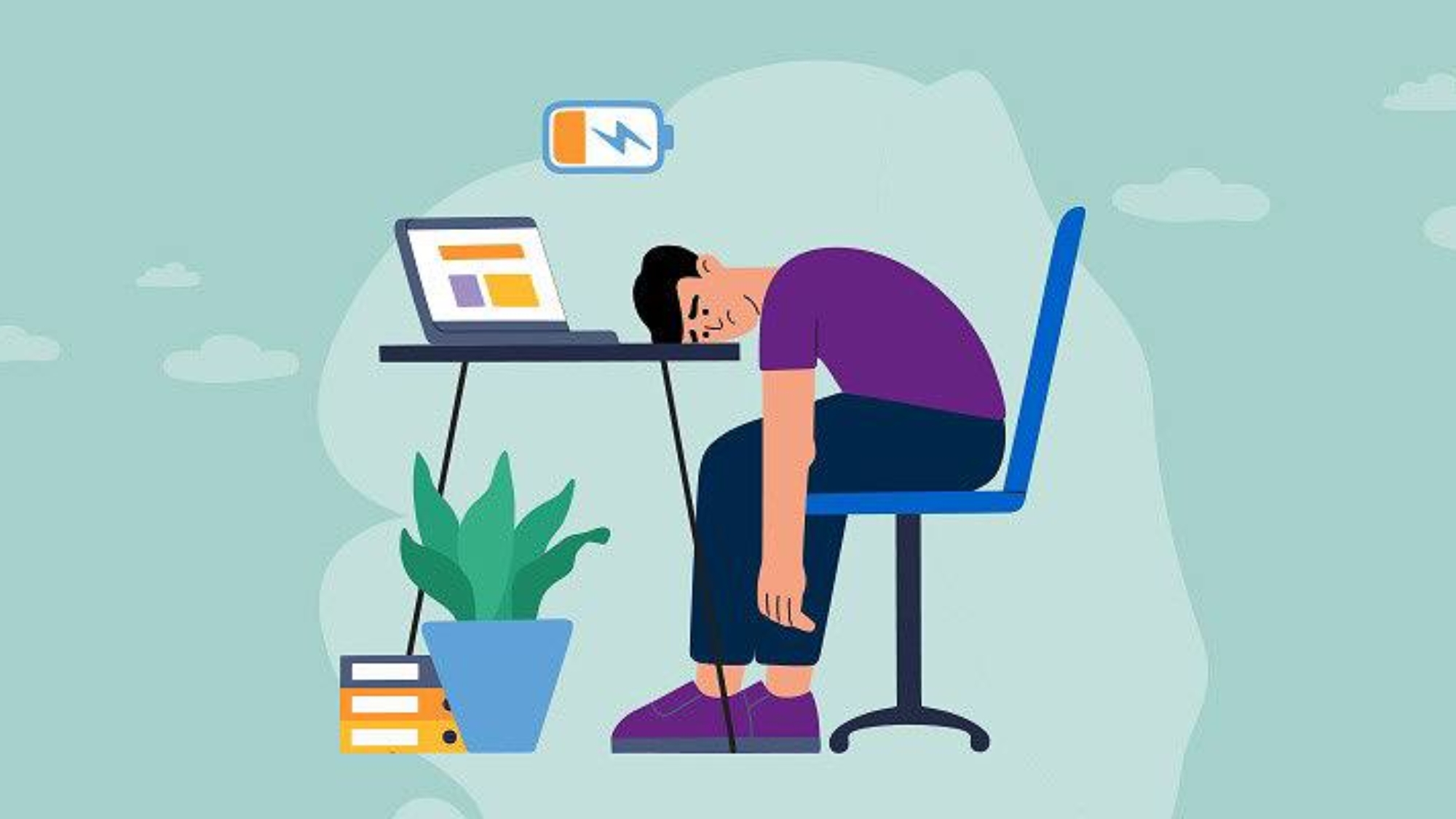
Emotional exhaustion syndrome rarely develops suddenly. Dr. Daniel Reinhardt notes that in most cases this condition forms gradually and remains unnoticed for a long time, both by the individual and by those around them. Instead of an obvious crisis, there is often a slow decline in emotional engagement, the ability to recover after stress, and interest in meaningful aspects of one’s own life. At MindCareCenter, we view emotional exhaustion not as an isolated symptom but as a complex process of hidden depletion of psychological resources that affects the emotional, cognitive, and behavioral dimensions of personality.
Particular attention should be paid to the fact that emotional exhaustion is not always accompanied by obvious signs of overload. Many people continue to perform professionally, maintain social activity, and preserve outward productivity. At the same time, an internal sense of emptiness gradually accumulates, the ability to experience satisfaction from achievements decreases, and familiar sources of emotional support cease to fulfill their regulatory function. Such a condition is often mistaken for temporary fatigue, although its psychological structure is considerably deeper and more complex.
From the perspective of contemporary clinical psychology, a significant role is played by the prolonged discrepancy between a person’s internal needs and environmental demands. When the psyche is forced to function in a state of continuous adaptation without adequate recovery, the resources responsible for emotional stability begin to diminish. At MindCareCenter, we analyze not only the current level of stress but also the internal mechanisms that maintain chronic overstrain. These frequently include excessive responsibility, perfectionistic attitudes, difficulties establishing psychological boundaries, and a persistent tendency to ignore one’s own emotional signals.
Another important aspect of the problem involves changes in the quality of emotional responsiveness. During the early stages, a person may notice increased irritability or reduced tolerance for everyday difficulties. Later, emotional functioning becomes less flexible, and subjective experiences acquire a sense of monotony and emotional impoverishment. The psyche begins conserving resources by restricting emotional activity, which may temporarily reduce internal tension while simultaneously limiting the capacity to fully engage with life experiences.
A substantial consequence of emotional exhaustion is its impact on interpersonal relationships. As internal resources become depleted, the ability to maintain emotional connection declines, the need for distance increases, and feelings of inner loneliness may emerge even in the presence of social support. These changes often generate additional guilt because individuals may interpret their emotional withdrawal as a personal flaw rather than recognizing its connection to accumulated exhaustion.
Within therapeutic practice, identifying the hidden sources of psychological resource depletion becomes especially important. At MindCareCenter, we believe that effective intervention is impossible without understanding the individual logic underlying the development of this condition. Our specialists examine patterns of emotional regulation, analyze habitual responses to stress, and explore deep beliefs regarding personal worth and the legitimacy of self care. Such an approach allows therapy to move beyond symptom reduction and focus on restoring psychological equilibrium at a deeper level.
A separate area of therapeutic work involves gradually restoring access to personal emotional resources. This process includes developing the ability to recognize internal states, rebuilding contact with genuine needs, strengthening psychological boundaries, and creating more sustainable ways of responding to external demands. At Mind Care Center, we emphasize that lasting recovery cannot be achieved solely through rest or temporary reductions in workload. It requires transforming the very mechanisms that contributed to exhaustion and continue to sustain it.
In conclusion, it is important to recognize that emotional exhaustion syndrome is neither a sign of personal weakness nor a consequence of insufficient motivation. More often, it represents a natural response of the psyche to a prolonged imbalance between the expenditure of internal resources and the opportunities available for their restoration. Timely understanding of these processes makes it possible not only to prevent further deterioration of emotional well being but also to create the conditions necessary for the development of a more resilient, mature, and psychologically healthy system of self regulation.
Previously, we wrote about resistance in psychotherapy as a manifestation of internal dynamics in the approach of Dr. Daniel Reinhardt