
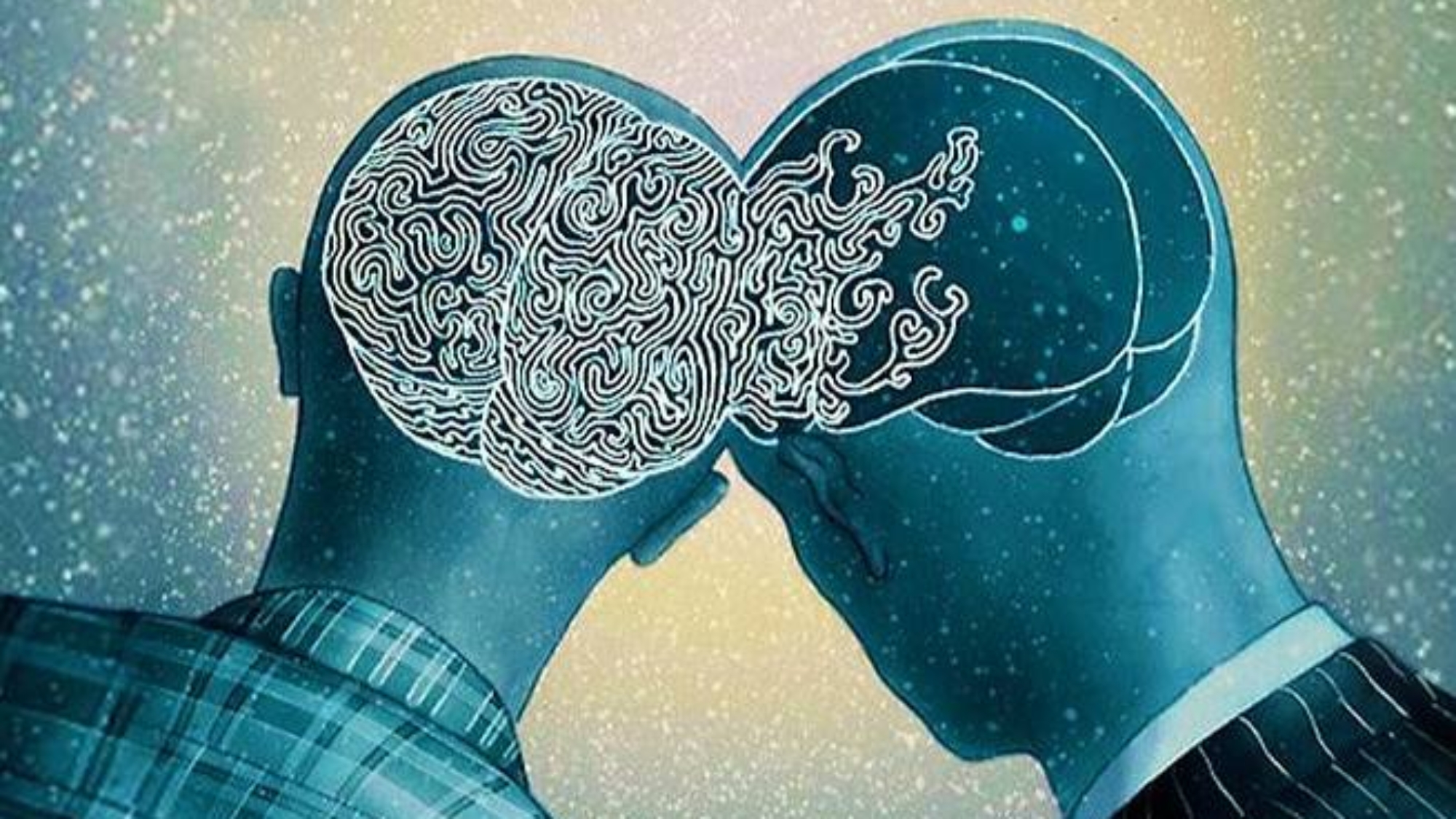
Interpersonal relationships often involve complex psychological processes that remain outside conscious awareness. One of these mechanisms is projective identification – a dynamic in which a person unconsciously transfers certain feelings, impulses, or internal conflicts onto another individual. Dr. Daniel Reinhardt pays particular attention to the fact that such processes can subtly shape the emotional tone of relationships, producing reactions that appear difficult to explain from a purely rational perspective. At MindCareCenter, projective identification is understood as a psychodynamic phenomenon through which internal emotional experiences become expressed within relational interaction.
The essence of this mechanism lies in the difficulty of acknowledging certain feelings within oneself. When emotional experiences are perceived as overwhelming, unacceptable, or threatening to one’s self-image, the psyche may attempt to distance itself from them. Instead of being consciously recognized, these feelings are unconsciously attributed to another person. As a result, interaction begins to evolve in a way that gradually evokes the very emotions in the other individual that were originally disowned by the first.
Specialists at MindCareCenter note that such dynamics can appear in many types of relationships – including romantic partnerships, family interactions, and professional environments. For example, a person who internally struggles with insecurity may begin perceiving the partner as uncertain or indecisive, even when this perception does not reflect the partner’s actual experience. Over time, the partner may start reacting defensively or expressing doubt, which reinforces the initial interpretation and deepens the relational pattern.
A distinctive feature of projective identification is the circular emotional process it creates. One person externalizes internal feelings, while the other begins responding to the emotional atmosphere created by that projection. Eventually the second person may genuinely experience the emotions that were originally disowned by the first. This can lead to confusion within the relationship, as both participants may feel caught in reactions that seem disproportionate or difficult to understand.
Within MindCareCenter, recognizing these patterns becomes an important part of therapeutic work. Projective identification may also appear within the therapeutic relationship itself. Clients sometimes communicate complex emotional states not only through words but also through subtle relational dynamics that emerge in the interaction with the therapist.
By carefully examining these moments, therapists can help reveal the emotional meanings behind them. At MindCareCenter, such observations are treated as valuable opportunities to explore deeper layers of a person’s psychological experience. The therapeutic dialogue gradually makes it possible to reconnect projected emotions with their original source.
As this process unfolds, individuals begin to recognize which feelings truly belong to them and which reactions have emerged within relational dynamics. This growing clarity reduces emotional confusion and allows people to understand their own internal states more accurately.
Gradually, individuals develop the capacity to observe emotional exchanges in relationships with greater awareness. They become better able to distinguish between their own psychological experiences and those of others, which strengthens stability and mutual understanding in interpersonal interactions.
At Mind Care Center, this form of insight is regarded as an essential step in developing psychological reflection. When internal experiences no longer need to be expressed indirectly through projections, relationships tend to become more open and less burdened by unconscious expectations.
Over time, individuals gain the ability to recognize and process their own emotional experiences without attributing them to others. This shift supports more mature forms of communication and contributes to greater psychological resilience within relationships.
Previously we wrote about The Social Context of Personality Formation – A MindCareCenter Psychotherapeutic Analysis of the Influence of Social Structures and Roles on Psychological Functioning